Two hundred and sixty galleries in a Dutch provincial city, for ten days each March
TEFAF Maastricht: Ten Days, and the Strictest Vetting in the Trade
About TEFAF Maastricht
TEFAF, The European Fine Art Fair, opened in 1988 and runs for ten days each March at the MECC in Maastricht. Around 260 galleries from twenty countries take part.
Its reputation rests on the traditional end of the market — Old Master paintings and antique works of art — extended in recent decades to classical modern and contemporary work, jewellery, twentieth-century design and works on paper. What distinguishes it from the Frieze and Basel end of the calendar is vetting: every object is examined by committees of specialists before the doors open, and pieces are removed. Museum curators come to Maastricht for exactly this reason.
The Days That Matter
The fair is effectively decided before it opens to the public. The preview days are when museums and serious private collectors walk the stands, and the significant works change hands in the first hours. By the public opening, the fair is a very good exhibition rather than a market.
Maastricht itself is small, which is part of the appeal and all of the logistical problem — the hotel supply in the city is limited and committed a year ahead, and the alternative is Brussels or Cologne at an hour’s distance.
What Vetting Actually Means
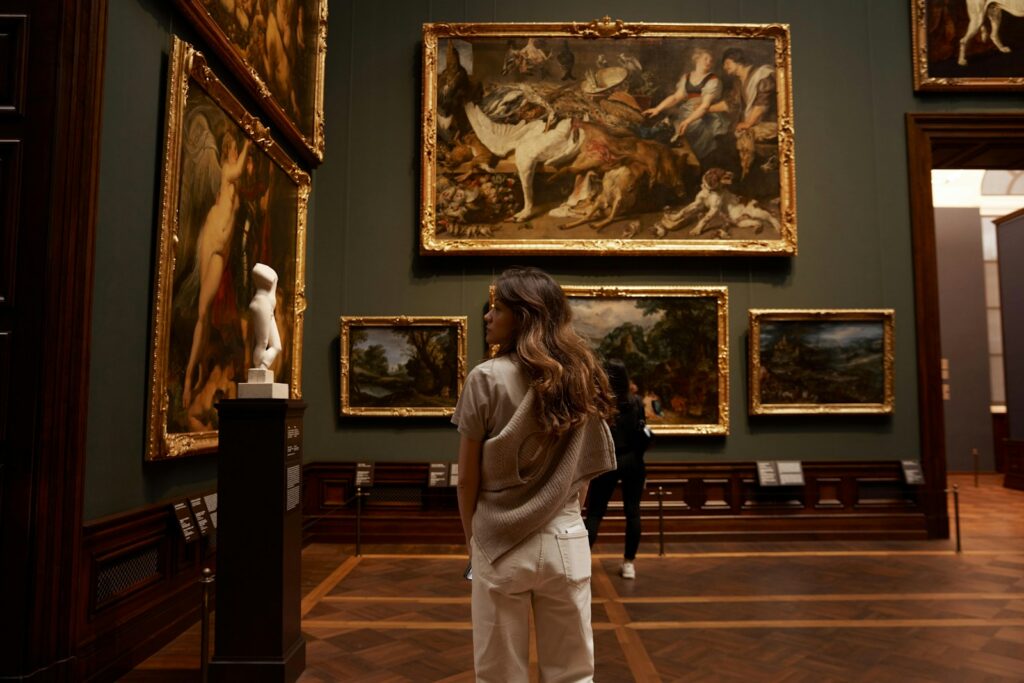
Before the doors open, committees of specialists — museum curators, academics and dealers from outside the exhibiting galleries — go through the fair object by object. Attributions are questioned, condition is examined and pieces that do not satisfy the committee are removed from the stands. It happens quietly and it happens every year.
This is the whole basis of the fair’s standing. At the contemporary end of the art calendar the buyer carries the risk on attribution; at Maastricht a substantial part of that risk has been taken off the table before anyone walks in. It is why institutions buy here and why the fair matters far beyond its size.
Where to Start
- Preview access or nothing — the fair happens in the first two days
- Book accommodation a year out — Maastricht is a small city hosting the trade of twenty countries
- Know what you are looking for before you arrive — 260 stands is two full days of walking, and the good dealers will make time for a brief that is clear
- Arrange the shipping question early — buying is the easy part of acquiring at a fair
The other thing Maastricht has that the bigger fairs do not is time. Ten days rather than four means the dealers are not being processed through a queue, and a serious conversation about a serious object is possible on the third afternoon in a way it is not at Basel.
It is also worth arriving with the shipping and storage question already answered. Acquiring at a fair is straightforward; moving a painting across a border afterwards is where the work actually is.
Arrange It With Perfect.Live
Tell us what you are looking for and we will open the preview and the right stands
What Is Actually on the Stands
The core is Old Master paintings, antiquities and antique works of art — furniture, silver, arms and armour, manuscripts. Around that sit sections for classical modern and contemporary art, jewellery, twentieth-century design, tribal art and works on paper. The flower arrangements are their own institution, and the fair spends a sum on them that becomes an annual news item.
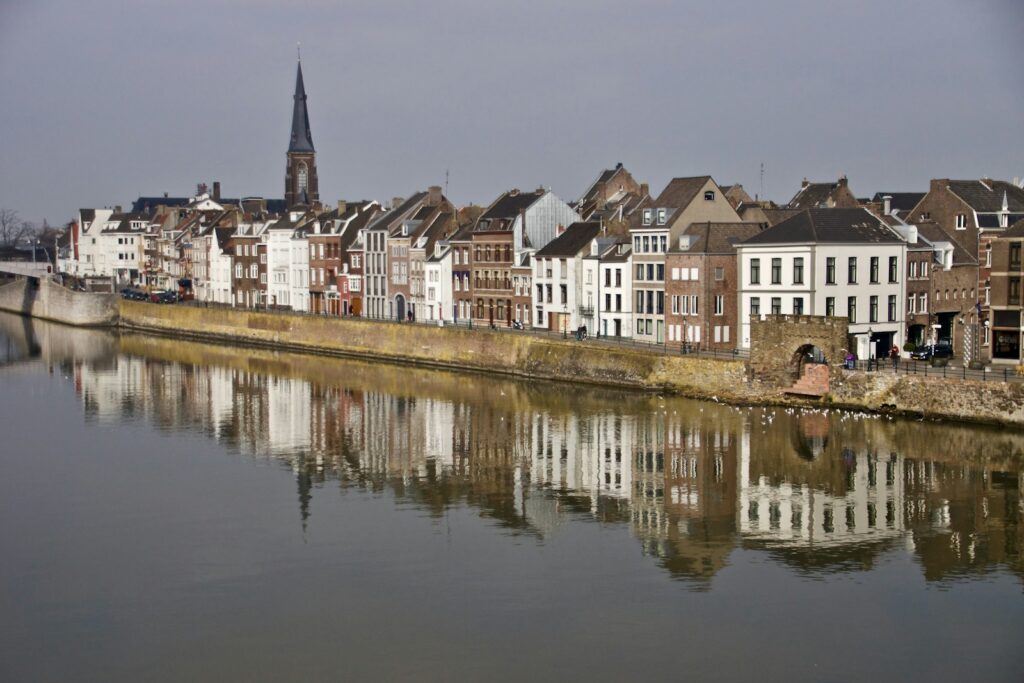
Maastricht itself is a small Dutch city on the Meuse with a good restaurant culture and a limited hotel supply, which is the whole logistical story of the fair. The alternatives are Brussels an hour away, Cologne about the same and Amsterdam further — all workable with transport arranged, none workable improvised.
How We Help
- Preview access, which is where the fair is actually decided
- Introductions to dealers against a specific brief rather than a walk-through
- A base in Maastricht, or in Brussels with transport that makes it work
- Tables in a city that is fully booked for the fair, via our Fine Dining & Nightlife service
- Shipping, storage and the paperwork that follows a purchase — ask your Business Concierge
Frequently Asked Questions
For ten days each March, at the MECC in Maastricht in the Netherlands.
Around 260, from roughly twenty countries.
Vetting. Committees of specialists examine every object before opening and remove pieces that do not pass, which is why museum curators treat it as the benchmark fair.
Old Masters and antique works of art at its core, plus modern and contemporary work, jewellery, twentieth-century design and works on paper.
They are the fair. The significant works move in the first hours, before the public opening.
Committees of curators, academics and independent dealers examine every object before opening, question attributions and remove pieces that do not satisfy them.
No. That is the core, but the fair also covers antiquities, modern and contemporary art, jewellery, twentieth-century design, tribal art and works on paper.
Maastricht if arranged a year ahead; otherwise Brussels or Cologne at about an hour, with transport organised.