A trade fair that became the most photographed four days in menswear
Pitti Uomo: The Week Florence Dresses for Itself
About Pitti Uomo
Pitti Uomo is the principal international platform for men’s collections, held twice yearly at the Fortezza da Basso in Florence — in January for the following autumn and winter and in June for spring and summer. The first edition was held in September 1972, organised by Giovanni Battista Giorgini, and it takes its name from the Palazzo Pitti, its original venue.
It is a trade fair: buyers, brands and press rather than the public. What made it famous is what happens outside the halls, where the trade dresses for one another and the pavement becomes the more interesting exhibition.
Why It Is Worth the Week
Pitti coincides with Florence at its emptiest of tourists and fullest of the people who make things. The tailoring houses, the leather workshops and the shoemakers are all working, and all willing to see someone who has been introduced properly. For anyone commissioning rather than buying, the week is the single most efficient four days in the calendar.
It is also a week that rewards preparation. Arriving without appointments means four days of pavement and an exhibition hall. Arriving with them means a fitting in the morning, a mill or a shoemaker in the afternoon and a dinner where the introductions carry on. The difference is entirely in the arranging, and it is made weeks before anyone lands in Florence.
What Actually Happens Inside
The Fortezza da Basso is a sixteenth-century fortress converted into exhibition halls, and the fair fills them with several hundred brands across clearly separated sections — classic tailoring in one, contemporary and streetwear in another, fabrics and accessories elsewhere. Buyers work to appointments; the brands are there to write orders for a season nine months away.
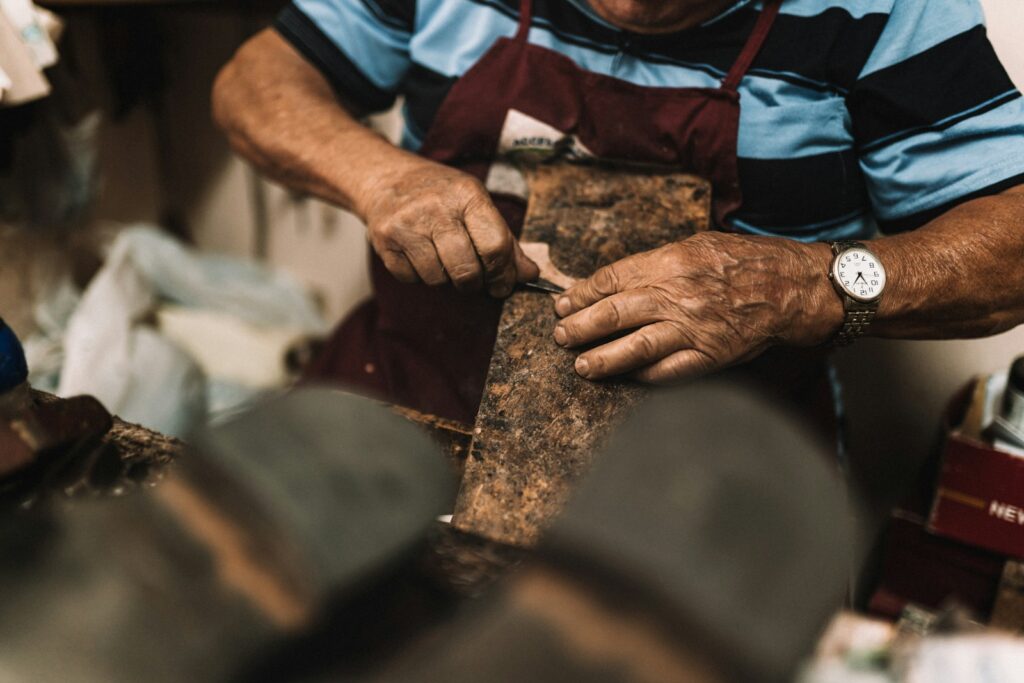
The quality of the fair, from a visitor’s point of view, is in the smaller stands rather than the large ones. The Neapolitan tailoring houses, the Northamptonshire and Florentine shoemakers and the mills bring the people who actually make the product, which is a different conversation from the one available in a shop.
Where to Start
- Understand that it is trade — entry runs through accreditation and invitation, not a ticket desk
- Book Florence early — the city fills for both editions and the good hotels are committed months out
- Use the week for the workshops — the fair is the reason everyone is in town; the appointments are the value
- Choose the edition — January is the autumn-winter collections and the colder, quieter Florence; June is spring-summer and a busier city
A note on what the week is not. It is not a shopping trip, and the halls do not sell to visitors. What it is, for someone outside the trade, is four days when the people who make the clothes are all in one city and willing to talk — which is worth more than a season of appointments arranged one at a time from abroad.
Arrange It With Perfect.Live
Tell us which edition suits and we will build the Florence week around the appointments
Florence Around the Fair
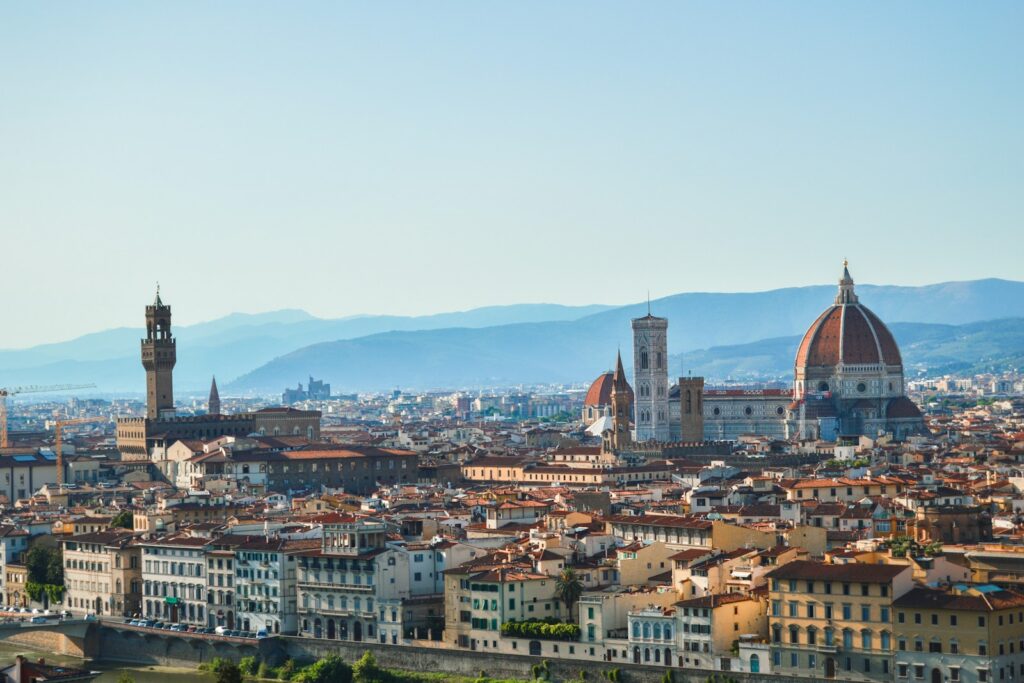
The city is the other half of the week. Florence is where a large share of Italian leather, tailoring and shoemaking is still made, largely in the Oltrarno across the river, and during Pitti those workshops are busy and receptive. A commission started in that week — a suit, a pair of bespoke shoes, a bag — is usually the reason to go rather than the fair itself.
January is the quieter Florence: cold, short days, almost no tourists and restaurant tables that exist. June is warmer, busier and closer to the version most people know. Both editions run four days, and both are followed immediately by Milan, which for anyone in the trade makes a fortnight rather than a week.
How We Help
- Introductions and appointments around a fair that is not open to the public
- Appointments with tailoring houses, shoemakers and leather workshops across the week
- A base in a city that commits months ahead for both editions
- Tables in Florence during the fair, via our Fine Dining & Nightlife service
- Personal shopping and commissioning arranged around the appointments — ask your Business Concierge
Frequently Asked Questions
Twice a year at the Fortezza da Basso in Florence — January for autumn and winter collections, June for spring and summer.
At the Fortezza da Basso in Florence, a sixteenth-century fortress converted into exhibition halls.
No. It is a trade fair, entered through accreditation and invitation rather than public sale.
The Palazzo Pitti, where the first editions were held from 1972.
Because the tailoring and leather trade is in Florence and working that week, and appointments are easier to secure than at any other point in the year.
January for the quieter city and the autumn collections; June for spring and summer and a fuller Florence.
Several hundred menswear brands across separated sections — classic tailoring, contemporary, fabrics and accessories — selling into a season around nine months ahead.
Much of Italian tailoring, leather and shoemaking is made in Florence, largely in the Oltrarno, and during the fair those makers are in town and available.
Three to four months. Accreditation, appointments and Florence hotels all need the same notice.
Ready When You Are
Four days in Florence, and the workshops that make the week worth it