A race invented to sell newspapers that became the hardest three weeks in Italian sport
The Giro d’Italia: Three Weeks in May, and One Mountain Day
About the Giro d’Italia
The Giro d’Italia was organised in 1909 for a commercial reason: to sell copies of La Gazzetta dello Sport. It is still run by a subsidiary of that paper’s owner. The first edition started at 02:53 on 13 May 1909 from the Piazzale Loreto in Milan, with 127 riders and eight stages. Forty-nine finished. Luigi Ganna won it, having taken three stages on the way.
It has been held every year since apart from the two world wars, and it is now a UCI World Tour event and one of the three Grand Tours — after the Tour de France, the second most important stage race in the world. Winning the Giro, the Tour and the World Championships in a single season is the Triple Crown of cycling, and it is rare for a reason.
How the Three Weeks Are Built
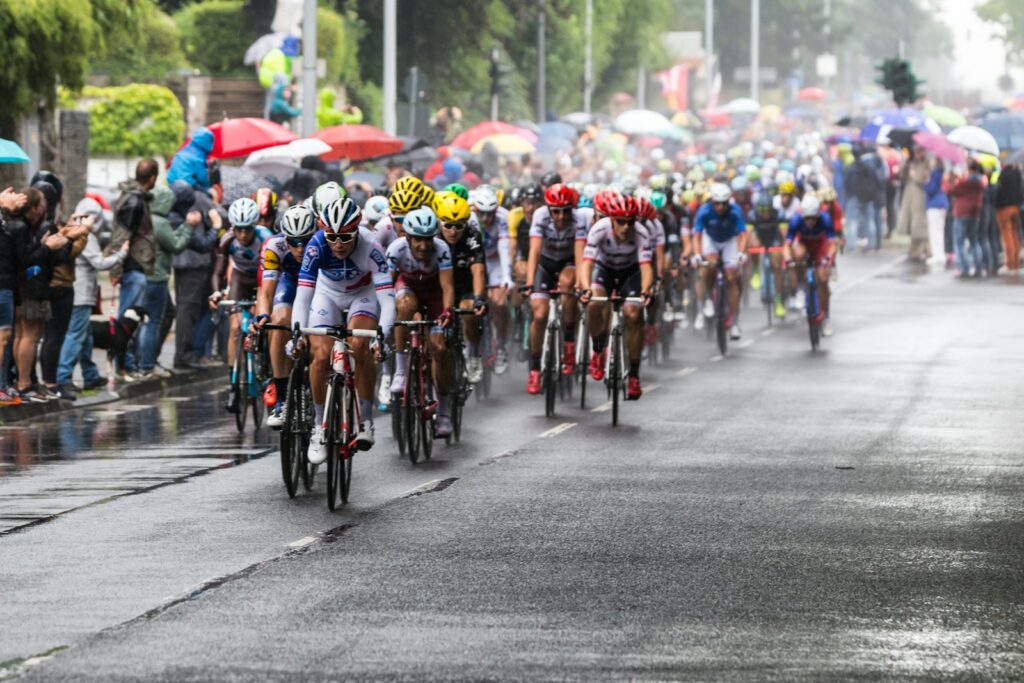
The route changes every year but the shape does not. Twenty-one stages over twenty-three or twenty-four days, with two or three rest days, at least two time trials and a passage through the Alps that includes the Dolomites. It is usually run in May, sometimes finishing in early June, which makes it the Grand Tour most likely to be decided by weather.
The rider with the lowest aggregate time leads the general classification and wears the pink jersey, which is the only piece of cycling iconography that comes from a newspaper’s printing colour. Inside the race sit other contests that change how it is ridden: the points classification, the mountains classification for the climbers, the young rider classification for riders under twenty-five and the team classification.
Why the Giro Is the Harder One
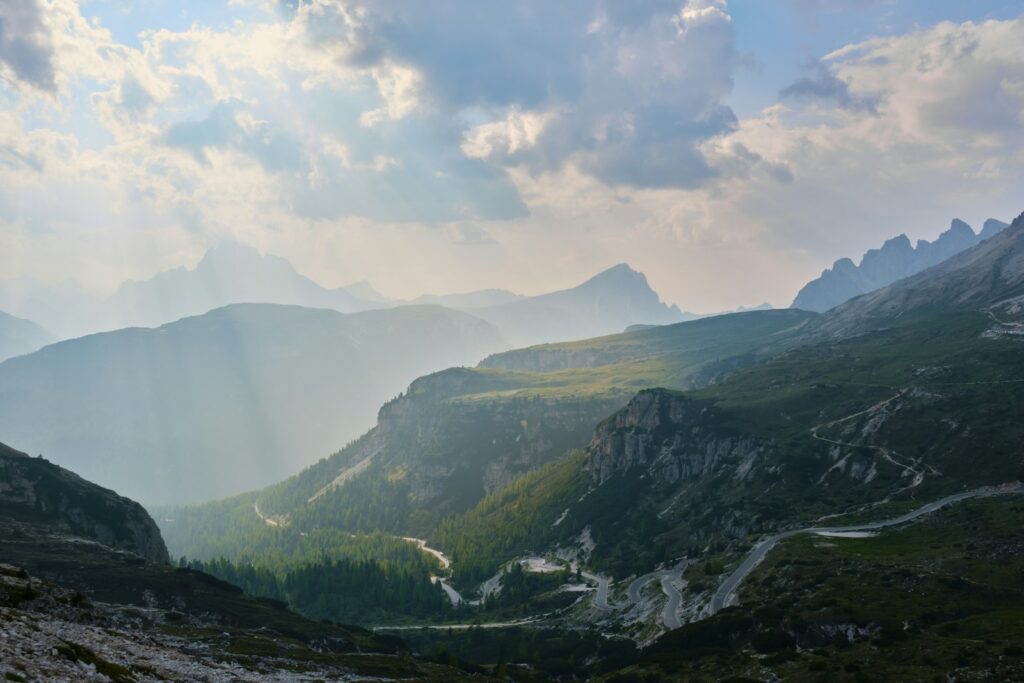
Ask a professional which Grand Tour is the most brutal and the answer is usually this one, not the Tour de France. May in the high Alps means snow on the passes is a live possibility rather than a curiosity, stages get shortened or rerouted on the morning and the race regularly climbs above two thousand metres in conditions that would close a road in any other month.
The history is also more partisan than anywhere else in the sport. Alfredo Binda won five Giri and took twelve of the fifteen stages in 1927, to the point where the newspaper that owned the race asked him in 1930 to be less dominant. He was eventually displaced by Gino Bartali, whose rivalry with Fausto Coppi divided the country along lines that had nothing to do with cycling — Bartali venerated in the agrarian south, Coppi a hero of the industrial north. They were team-mates in 1940, the year the twenty-year-old Coppi beat his own team leader to win it.
Where to Start
- Wait for the route, then move immediately — the course is announced the previous autumn and the hotels in the mountain stage towns go within days
- Pick one mountain stage, not the whole race — three weeks is for the riders, and a single Dolomite day is the experience
- Plan the descent as carefully as the climb — getting off a closed pass after the race is the part nobody thinks about
- Consider the final week — the general classification is usually still live, and the high mountains come late
Arrange It With Perfect.Live
Tell us which stage you want to be on and we will get you onto the mountain and off it again
Seeing It, Honestly
A road race has no gate. The Giro is free to watch from the roadside for its entire three weeks, and anyone who tells you otherwise is selling something. So the useful question is not access but position, and position on a mountain stage is a logistics exercise with a narrow window.
The passes close to traffic hours before the race arrives. Getting onto a Dolomite climb on the right morning means being on the wrong side of the closure early, or arriving by air, and coming down again afterwards with several thousand other people on a single road. The stage towns at the top and bottom of a queen stage are small and their hotel supply is committed as soon as the route is announced the previous autumn. That is where the work is, and it is entirely doable when it is planned rather than attempted.
How We Help
- Hospitality at the start and finish, and access to the VIP village where the organisers operate one
- Position on a mountain stage — the right side of the road closure, arranged rather than gambled on
- Helicopter transfer onto and off a pass, which on a queen stage is the only way to do both in one day
- Hotels in the stage towns, committed as soon as the route is published, and tables through them via our Fine Dining & Nightlife service
- Team and rider introductions where they exist, and a Dolomites or Alpine week around the stage — ask your Business Concierge
There is a version of this trip that people build for themselves every May, and it involves a rental car, a four in the morning start, six hours on a verge and three hours getting back down. It works, and it is a perfectly good way to see a bike race. The version worth arranging is different: a base in the right valley, position on the climb with somewhere to sit and a way off the mountain that does not cost the evening.
For anyone building an Italian spring around it, the Giro sits a few weeks before the Mille Miglia, which runs its regularity route through central Italy in June, and the country is at its best in both months.
Frequently Asked Questions
Usually through May, occasionally running into early June. It is twenty-one stages over twenty-three or twenty-four days.
The first edition was run on 13 May 1909, organised to sell copies of La Gazzetta dello Sport. It has been held every year since apart from the two world wars.
Because the newspaper that created the race was printed on pink paper. The pink jersey goes to the leader of the general classification.
Most professionals say so. May in the high Alps and Dolomites means snow, reroutes and shortened stages are a normal part of the race.
No. The roadside is free for the whole three weeks. What has to be arranged is position, access and the logistics of a closed mountain road.
A mountain stage in the final week, when the high passes come and the general classification is usually still undecided.
From the route announcement the previous autumn. The hotels in the mountain stage towns are committed within days of it.
Points, mountains, young rider for those under twenty-five, and team. They change how the race is ridden even when the pink jersey is settled.