Six months, thirty permanent national pavilions and an exhibition that has run every second year since 1895
The Venice Biennale: Which Year You Are Going To
About the Venice Biennale
The Venice Biennale is the oldest exhibition of its kind anywhere. The Venetian City Council resolved to create it in 1893 and the first edition opened on 30 April 1895, under the Italian King and Queen, and was seen by 224,000 visitors. It has been held every other year since, with breaks only for the wars.
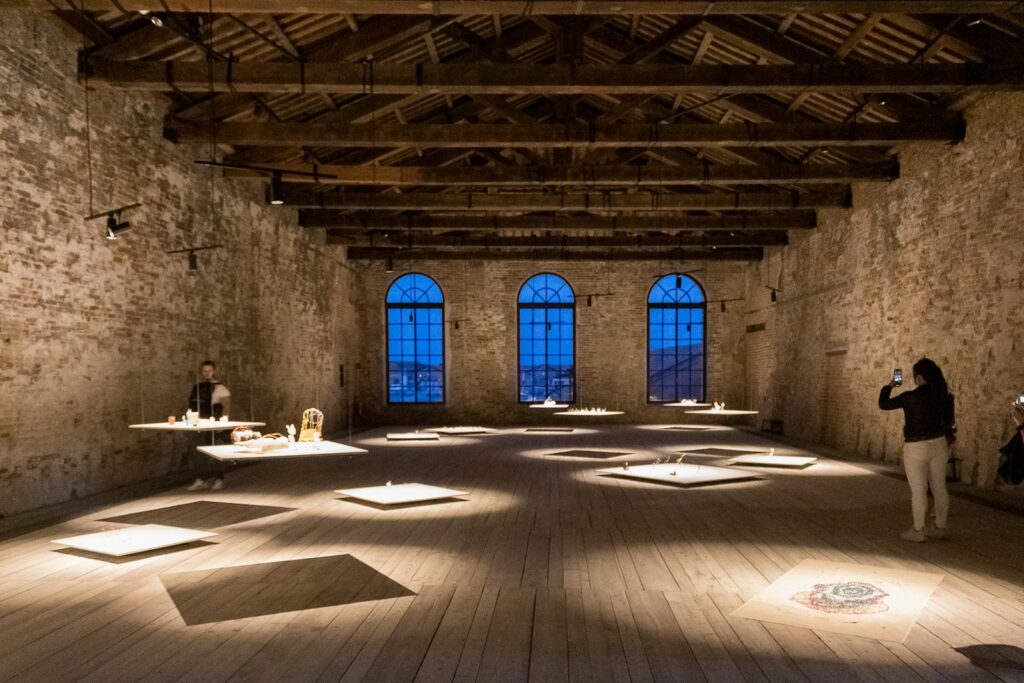
The main exhibition sits in the Giardini in Castello, where around thirty countries have built permanent pavilions, and extends into the restored spaces of the Arsenale. National pavilions began in 1907, Belgium first, followed by Hungary, Germany and Great Britain in 1909, France in 1912 and Russia in 1914. That architecture of national representation is unique to Venice and it is a large part of what the visit actually is.
Art Years and Architecture Years
This is the single most common point of confusion, and it is worth settling before anything is booked. There are two main Biennali. The Art Biennale is the one most people mean. The Architecture Biennale was established in 1980 and alternates with it. Since 2021 the Art Biennale falls in even years and the Architecture Biennale in odd ones.
Around those two sit four further components covering music, theatre, film and contemporary dance — including the Venice Film Festival, which is part of the same institution rather than a separate event. Awards across all of them are Golden Lions, including the Golden Lion for Lifetime Achievement. A visitor planning a Venice trip around “the Biennale” should establish which discipline is on before choosing dates.
The Preview, and Everything After It
The Biennale runs for roughly six months — the 2026 edition opened on 9 May and closes on 22 November — and for almost all of that time it is a public, ticketed exhibition that anyone can walk into. That is the honest position and it is worth stating plainly, because a great deal of writing about Venice implies otherwise.
What is not open is the beginning. The preview days before the public opening are the professional and press period, when the artists, the curators, the museum people and the collectors are all in the city at once, when the national pavilions hold their own receptions and when the Golden Lions are awarded. That week is the reason people in the art world go to Venice, and it runs on invitation rather than tickets.
Where to Start
- Establish the discipline first — Art in even years, Architecture in odd ones, and they are entirely different exhibitions
- Decide between the preview and the run — the opening week is the art world, the six months afterwards are the exhibition and both are legitimate reasons to go
- Allow three days — the Giardini and the Arsenale take two, and the collateral events across the city take a third
- Book Venice a long way out — the preview week and the autumn are both committed early, and the water-facing hotels go first
Arrange It With Perfect.Live
Tell us which Biennale year you are planning and we will arrange the week and the water
Doing It Properly Outside the Preview
If the preview is not available, the better answer is not a worse version of the same week — it is a different trip. Venice in September and October is a far more pleasant city than Venice in May, the exhibition is complete and settled, the pavilions are quiet enough to spend real time in and the collateral events scattered across palazzi and deconsecrated churches are actually reachable.
The Giardini and the Arsenale together are two full days of walking, and most visitors underestimate this by half. A third day for the collateral exhibitions across the city is what separates seeing the Biennale from having walked through it. The city is also at its emptiest in the first weeks of the run and the last, which is when the pavilions are worth the visit rather than a queue.
How We Help
- Preview access and pavilion receptions during the opening week, where the invitations are relationship-led rather than sold
- Private curatorial guiding through the Giardini and the Arsenale, which is the difference between two days and a fortnight of understanding
- A hotel or palazzo on the water in a city that commits its rooms early
- Tables through the opening week, when Venice is at its fullest, via our Fine Dining & Nightlife service
- Private water transport, which in Venice is the whole of the logistics — ask your Business Concierge
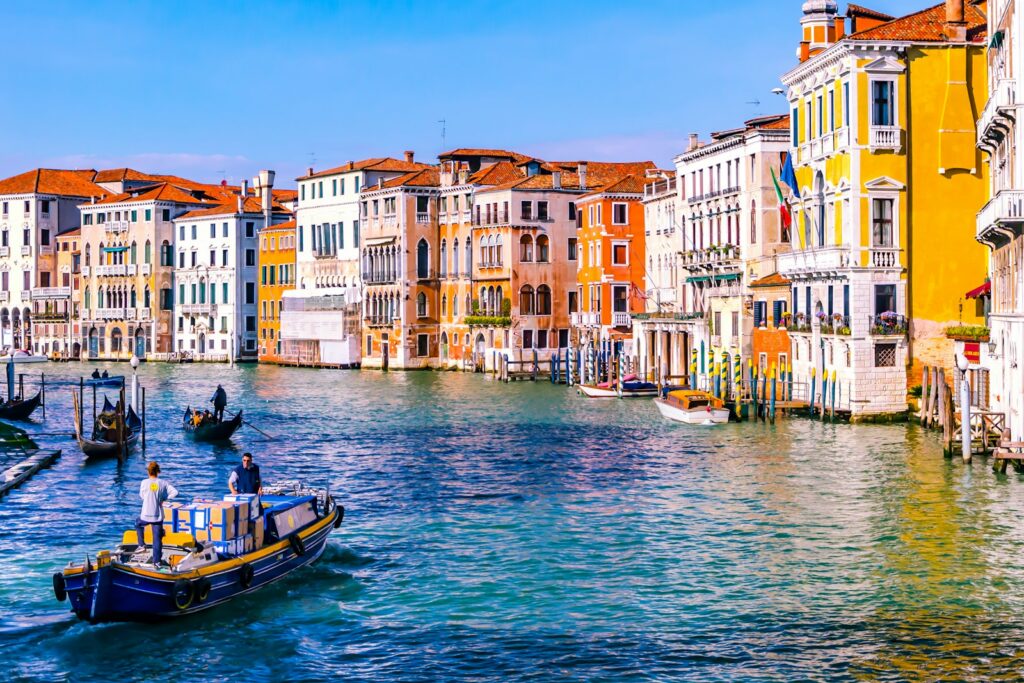
One practical thing about Venice that applies to the Biennale more than to anything else in the calendar: the exhibition is spread across a city with no cars, and the vaporetto does not go where the collateral events are. Moving between the Giardini, the Arsenale and four palazzi in a single day is a transport problem rather than a cultural one, and it is solved before the trip rather than during it.
The other two Venice seasons are worth knowing about while planning. Carnival falls in February or early March and is a completely different city, and the Film Festival runs at the Lido at the end of the summer, inside the same institution as the Biennale itself.
Frequently Asked Questions
Every second year, running from spring to late autumn. The 2026 edition runs from 9 May to 22 November.
They are separate exhibitions that alternate. Since 2021 the Art Biennale falls in even years and the Architecture Biennale, established in 1980, in odd ones.
The first edition opened on 30 April 1895 and drew 224,000 visitors. It is the oldest exhibition of its kind.
Principally in the Giardini in Castello, where around thirty countries hold permanent pavilions, and in the restored spaces of the Arsenale, plus collateral venues across the city.
Yes. For almost the whole of its six-month run it is a public ticketed exhibition. The preview days before the opening are by invitation.
The professional and press days, the national pavilion receptions and the award of the Golden Lions. It is when the art world is in the city.
Two days for the Giardini and the Arsenale, and a third for the collateral exhibitions across Venice.
September and October, if the preview is not the reason for the trip. The exhibition is complete and the city is far easier.
Ready When You Are
Thirty national pavilions in one garden, and a Venice week that reaches all of them