

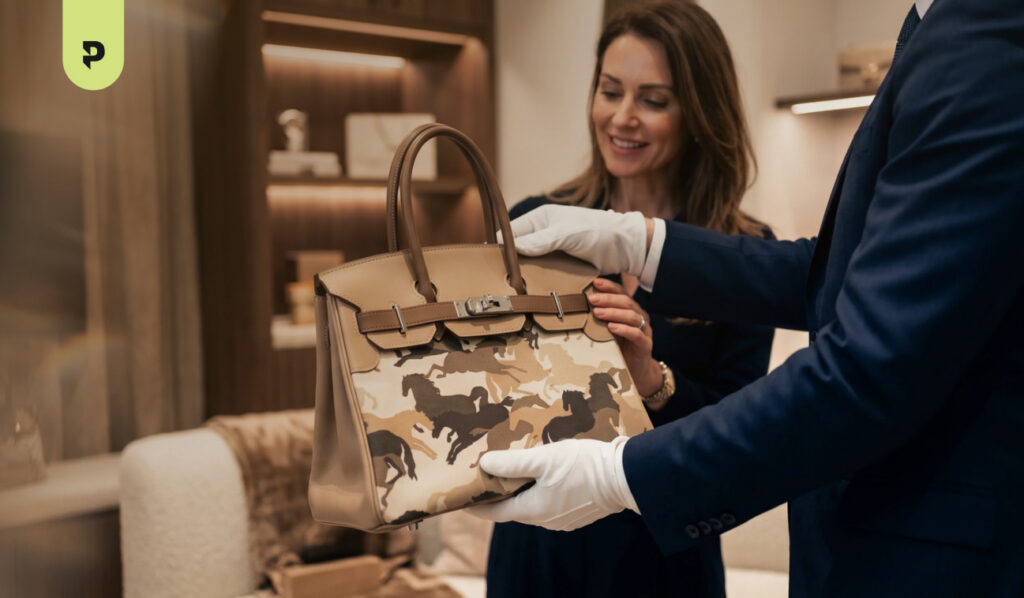
There is a particular frustration known to those who inhabit the upper tier of the market of sourcing rare luxury goods: the piece you want is not available. Not discontinued — simply not accessible. It exists. It has been made. Someone owns it, or will own it. That someone, however, requires either the right relationship, the right timing, or a professional whose entire value lies in navigating the distance between desire and acquisition.
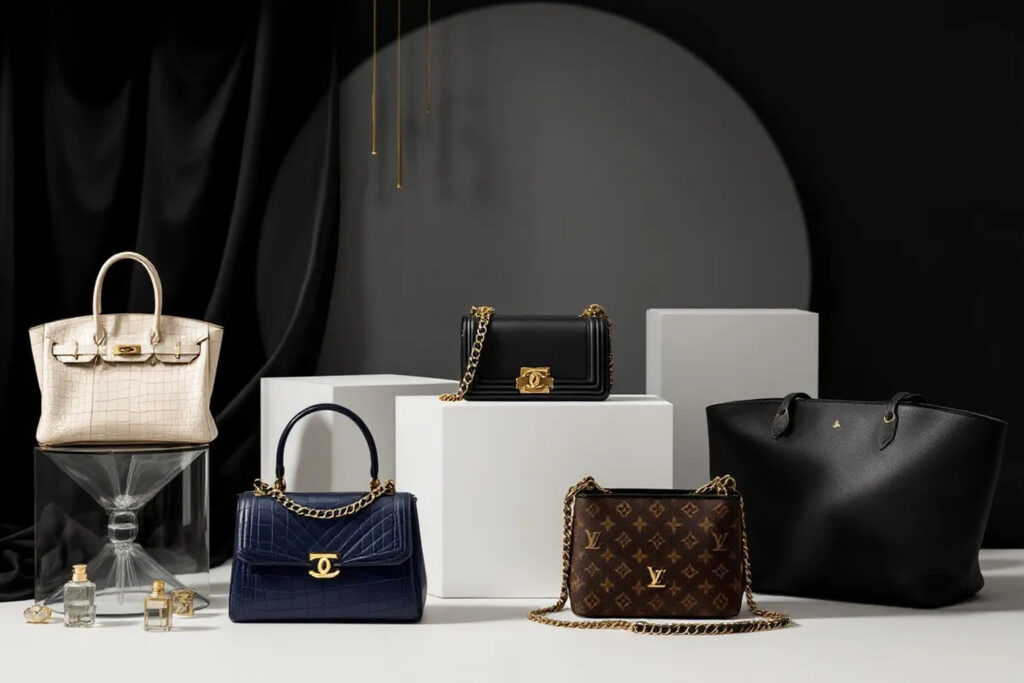
Understanding the Market for Rare Luxury Goods in 2026
The market for rare luxury goods has undergone a fundamental structural shift. What was once a relatively closed ecosystem — driven by long-standing relationships between houses and their most loyal clients — has become simultaneously more global and more opaque.
Secondary market platforms have created price transparency where none previously existed. Auction records are public. Resale values for specific references are tracked in real time. And yet genuine rarity — the Hermès allocation that never reaches the floor, the Patek Philippe reference produced in quantities of fewer than fifty, the bespoke commission from a house that no longer accepts new clients — has become if anything harder to access, not easier.
The reason is simple: demand among those who can afford exceptional luxury goods has expanded faster than the supply of things genuinely worth acquiring. The market for the truly rare is, by definition, a market where standard channels are insufficient.
What Is a Shopping Concierge — and Why It Matters Here
Before examining sourcing channels, the question of infrastructure deserves attention.
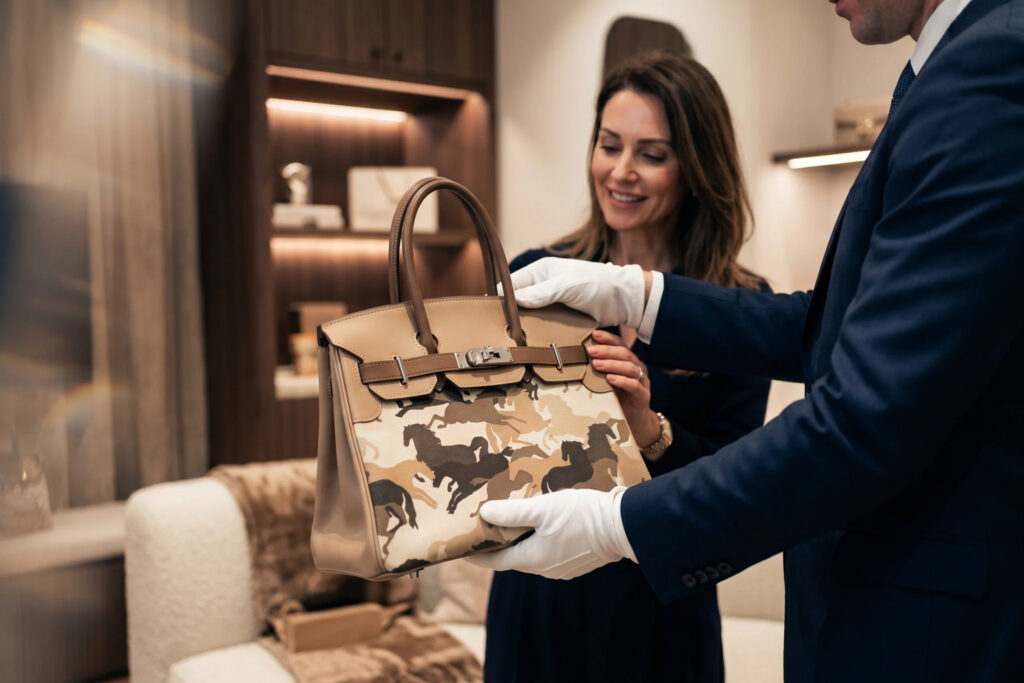
What is a shopping concierge? At the most precise level, it is a professional — or team of professionals — whose role is to source, authenticate, negotiate, and deliver luxury goods on behalf of a client. But this definition, accurate as it is, undersells the function.
A shopping concierge operates within networks that are not visible from the outside. These include:
- Direct relationships with house directors and allocation managers at the major maisons
- Access to private sale inventory before it reaches any secondary platform
- Established standing with specialist dealers who do not advertise publicly
- Knowledge of which auction houses hold specific categories of material in upcoming sales
- Connections to private collectors whose estates or collections become available discretely
Shopping concierge services exist because the acquisition of genuinely rare objects is a professional discipline, not a consumer activity. The knowledge required — authentication, provenance, market pricing, negotiation customs, import logistics — takes years to develop and is not transferable through a search engine.
At Perfect.Live, our shopping concierge services are structured precisely around this reality. We do not recommend it. We source, verify, and deliver — with personal accountability for every outcome.
Primary Sourcing Channels for Rare Luxury Goods
Direct House Relationships
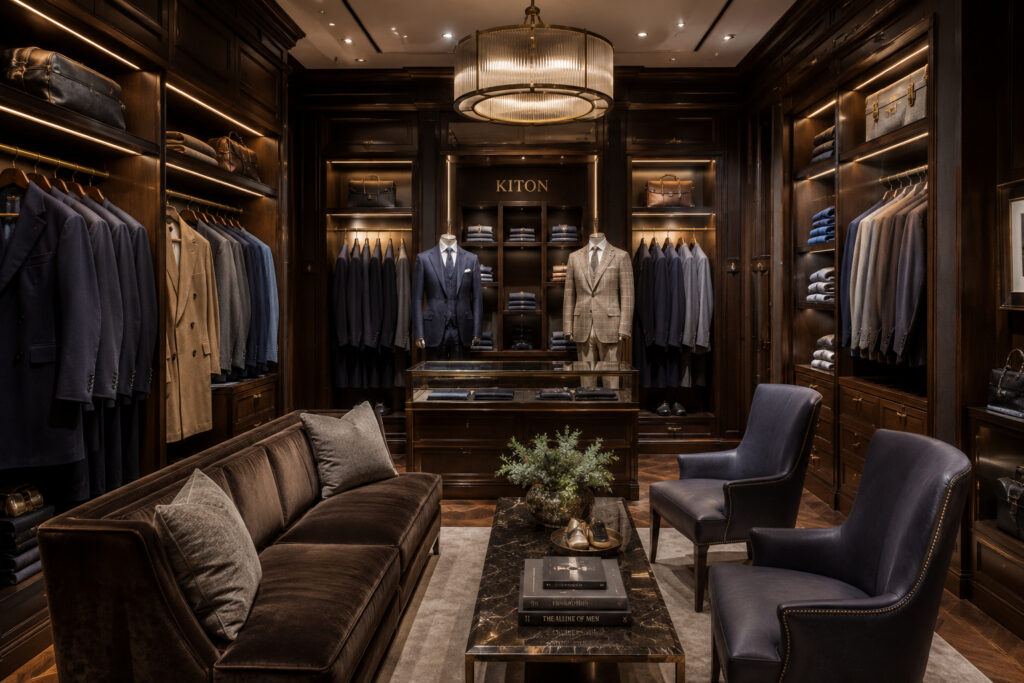
The most coveted rare luxury goods — certain Hermès leather categories, bespoke timepiece commissions, couture allocations — are not available for purchase in any conventional sense. They are extended as privileges to clients whose relationship with the house has been cultivated over years, demonstrated through purchase history, and managed through personal advisors within the house itself.
A professional engaged in rare luxury goods sourcing maintains these relationships independently of any single client. When a client requires access, the relationship already exists.
The Private Collector Network
A substantial volume of the world’s most significant luxury goods circulates privately — between collectors, through discrete introductions, via specialist intermediaries who operate entirely outside the public market. No listing. No auction. No platform.
Access to this network is entirely relational. A piece offered privately to a trusted intermediary will be placed, transacted, and transferred before any secondary market operator becomes aware of its availability.
Specialist Dealers and Heritage Boutiques
For certain categories — vintage haute horlogerie, archival fashion, rare leather goods with documented provenance — specialist dealers represent the most reliable sourcing channel. The best among them hold inventory that reflects decades of acquisition, maintain authentication expertise that exceeds most institutional knowledge, and price accordingly.
A shopping concierge with standing in this community has access to inventory that is shown selectively, to clients whose seriousness and discretion have been established.
Auction Intelligence
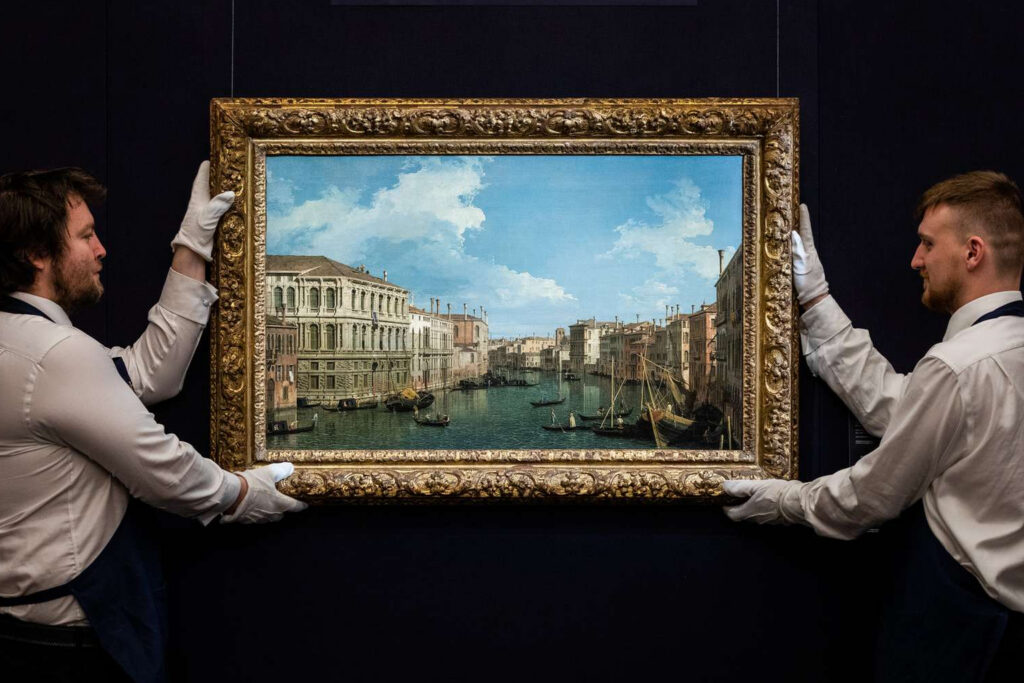
Major auction houses — Christie’s, Sotheby’s, Phillips, Bonhams, Antiquorum — represent the most transparent segment of the rare luxury goods market. But transparency cuts both ways: public bidding creates competitive dynamics that inflate prices on highly visible lots.
An experienced sourcing professional applies auction intelligence differently — identifying pre-sale private purchase opportunities, understanding estimate accuracy, and recognising when a lot’s true value diverges from room expectation in either direction.
Authentication: The Non-Negotiable Standard
The expansion of the secondary market for luxury goods has been accompanied by a corresponding expansion in sophisticated counterfeiting. At the level of truly rare pieces — watches above six figures, archival leather goods, limited-edition commissions — the stakes of authentication failure are significant.
Professional rare luxury goods sourcing applies authentication at multiple levels
- Physical examination — materials, construction, finishing, hardware, and serial documentation reviewed by specialists with category-specific expertise.
- Provenance verification — documentation of ownership history, original purchase records, service history for timepieces, and correspondence with house archives where available.
- Market cross-referencing — comparison with authenticated examples across known databases, auction records, and specialist literature.
- House confirmation — for eligible pieces, direct confirmation from the originating maison remains the definitive standard.
At Perfect.Live, no acquisition is completed without authentication that meets the standard we would apply to our own collection. This is not a process step. It is a professional obligation.
Investment-Worthy Categories in 2026
Not all rare luxury goods are appreciated. Understanding which categories reward acquisition — and which simply carry a premium without long-term value retention — is among the most useful things a shopping concierge relationship provides.
The Established Categories
- Hermès leather goods — particularly Birkin and Kelly in exotic skins, unusual colours, and documented provenance — have demonstrated consistent value appreciation over decades. Supply constraints are structural, not cyclical.
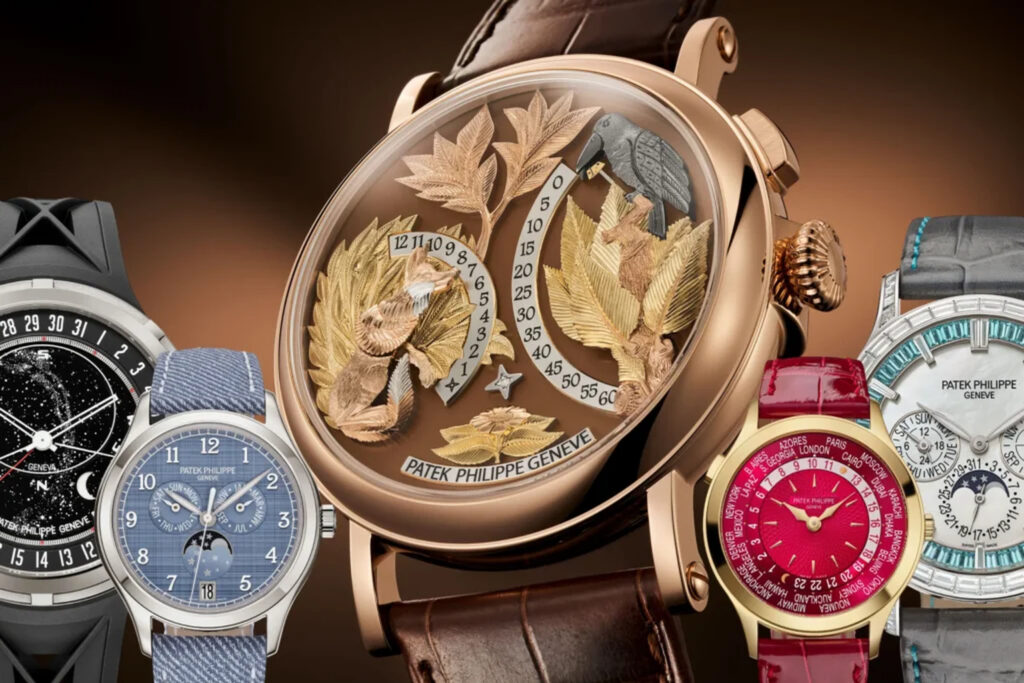
- Haute horlogerie — independent maisons, limited references, complicated movements from Patek Philippe, F.P. Journe, and A. Lange & Söhne — represent the most liquid segment of the collectible luxury goods market.
- Archival fashion — couture pieces with documented history, particularly from the defining periods of Balenciaga, Dior, and Chanel — are increasingly recognised by institutional collectors and continue to be appreciated as supply contracts.
Emerging Categories
Bespoke objects — one-of-a-kind commissions from artisan houses, custom leather goods, unique jewellery — represent a growing category where the combination of craftsmanship and singularity creates a value proposition that the secondary market is only beginning to price.
Cross-Border Sourcing and Global Logistics
Rare luxury goods do not respect geography. A specific reference sought in London may surface in Tokyo, Geneva, or São Paulo. Professional rare luxury goods sourcing operates globally as a matter of operational necessity.
This requires expertise in
- Import duties and VAT reclaim structures across major jurisdictions
- Secure international shipping with appropriate insurance and documentation
- Export restrictions applicable to certain vintage categories in specific countries
- Currency and payment structures that protect both parties in private transactions
A shopping concierge manages this layer entirely. The client receives the piece. The logistics — customs documentation, secure transport, insurance, authentication upon delivery — are handled as a matter of professional standard.
The Perfect.Live Approach to Shopping Concierge Services
Shopping concierge services at the level Perfect.Live operates are not a category of service. They are in a relationship.
We hold sourcing mandates on behalf of clients whose requirements are specific, whose standards are absolute, and whose time is not available for the months a serious search can require. We engage our network, apply our authentication standards, manage logistics, and present a solution — or explain clearly why one does not currently exist and when it might.
What we do not do is recommend alternatives when what has been requested is not available. We hold the brief and we work it — with the patience, persistence, and network that genuine rare luxury goods sourcing requires.
Beyond Concierge. Flawless Living
FAQ
A personal shopper works within available retail inventory. A shopping concierge operates across primary, secondary, private, and auction channels to source specific pieces regardless of conventional availability — and manages authentication, logistics, and negotiation as part of the service.
Hermès exotic leather, independent haute horlogerie, and documented archival couture represent the most established categories. Bespoke one-of-a-kind commissions are an emerging category attracting serious collector attention.
End-to-end sourcing — from network activation and opportunity identification through authentication, negotiation, import logistics, and delivery. Every element managed to a single standard of accountability.