What Is Cocktail Attire: What to Wear and How to Check
Dressed up, but not black tie: what two etiquette guides and three invitations say about an evening code
Read MoreeastWhat smart casual means, how restaurants word their own rules, and how to check before the evening
A smart casual dress code is the one guests meet most often, and the one that is hardest to pin down. Debrett’s, the British etiquette guide, calls it by far the most common of all dress codes, and describes it as a bit of a catch-all. That is why two restaurants can use the same words and expect different things.
This guide covers what smart casual means, how restaurants word their own rules, and how to ask before you go. Formal evenings have their own guides to the black tie dress code and to cocktail attire. Each restaurant policy below was read on the venue’s own website on 27 October 2026.
Debrett’s describes a smart casual dress code as not business attire. Its guidance names a jacket, with a tie as a possibility, or an open-necked silk or patterned shirt, worn with chinos or tailored trousers. It also names a dress, a skirt, or smart trousers, which may be paired with a jacket. Denim, even designer denim, is probably too casual. These are the starting points for smart casual outfits for dinner.
Debrett’s also says that context decides how smart is smart enough, for example whether the occasion is in the city or the country, and in the day or the evening. Its general rule is that it is better to look over-dressed than under-dressed. If you are unsure, arrive smartly dressed and adjust: take off a tie, or a jacket, or dressy jewellery.
A restaurant dress code is the rule the venue sets on its own site, and the wording differs widely.
The Ritz London states it in the most formal terms. On the page for The Ritz Restaurant, a jacket and tie are required from gentlemen for Afternoon Tea, lunch, and dinner, and jeans and sportswear are not permitted for any guest. In other areas of the hotel, smart casual attire is acceptable, and sportswear is not permitted in any of its restaurants or bars.
Le Bernardin in New York uses a softer line. Its site says business casual, with jackets recommended but not required. Athletic wear, loungewear, shorts, T-shirts, short sleeves, sneakers, and flip-flops are not permitted.
Kai Mayfair in London uses the words smart casual itself. On its reservations page, it asks guests to refrain from sportswear, vests, flip-flops, casual open-toed sandals, and hoods worn up. At dinner, shorts of any kind and collarless T-shirts are also on the list. Smart “dress” trainers are permitted, and the restaurant reserves the right to refuse admission.
Three habits help with all of these. Notice the verb, because required, recommended, and asked are different strengths. Read the list of items not permitted, because that list is the real rule. And treat “smart casual” as that restaurant’s own definition, not a shared standard.
Sportswear is the clearest mistake in a smart casual dress code. All three policies above rule it out, so athletic clothing is a risk even when the outfit is tidy.
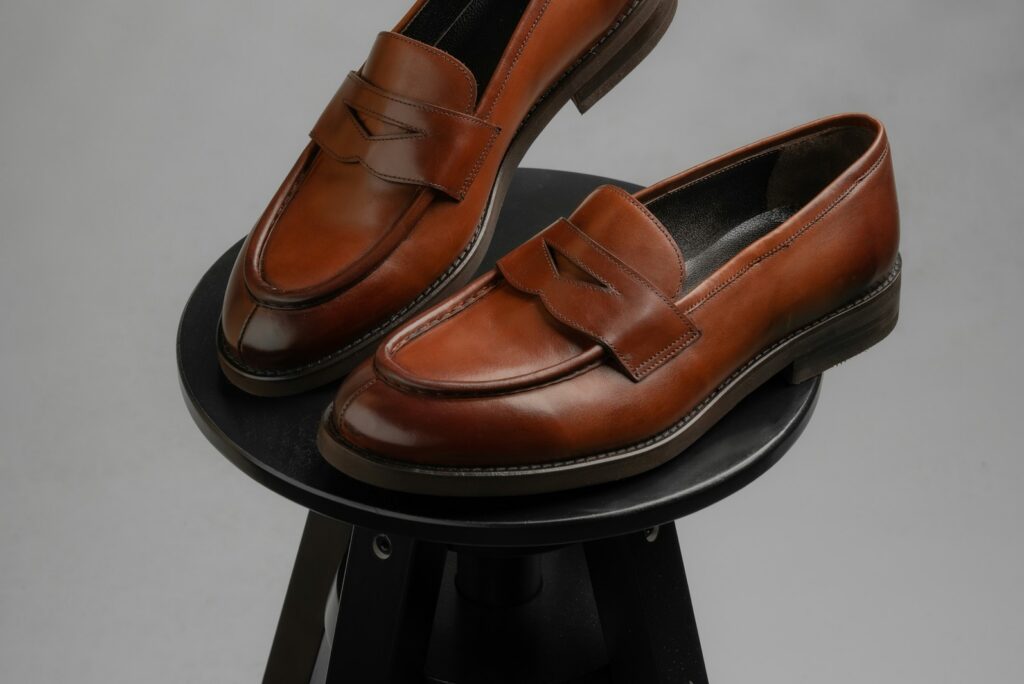
Footwear is the second. Debrett’s prefers leather shoes to trainers or sandals, Kai Mayfair permits smart trainers, and Le Bernardin lists sneakers as not permitted. The same shoe can be right in one room and wrong in another.
Jeans are the third, and the answer varies. The Ritz does not permit them at its restaurant, Debrett’s calls denim probably too casual, and Kai Mayfair does not mention jeans in its list. When a policy is silent, ask.
The last is the small details. Hoods worn up, open-toed sandals, collarless T-shirts, and short sleeves each appear on at least one official list above.
Tell us where you plan to dine, and we will check the dress code with the restaurant
At Perfect.Live, we read the dress code on the restaurant’s own site, ask the restaurant about anything unclear, and tell you what to wear before the evening. We request the table where availability allows, and we plan the day around it, with one point of contact for the whole trip. For a date that is close, see our guide to last-minute restaurant reservations.
Debrett’s describes it as not business attire: a jacket with chinos or tailored trousers, or a dress, a skirt, or smart trousers, with denim probably too casual. Each restaurant sets its own limits, so check its policy
The rule a restaurant publishes about what guests wear. The wording varies, from a jacket and tie for gentlemen at The Ritz Restaurant, to business casual at Le Bernardin, to smart casual at Kai Mayfair
It depends on the restaurant. Kai Mayfair permits smart trainers, while Le Bernardin lists sneakers as not permitted, so check the policy or ask
Sometimes. The Ritz Restaurant does not permit jeans, and Debrett’s calls denim probably too casual, while some policies do not mention jeans at all. When the policy is silent, ask the restaurant
Look at its website first, usually the reservation page or the FAQ. If the wording is unclear, email or call the restaurant, or ask us and we will check on your behalf