Smart Casual Dress Code for Restaurants: How to Read It Before You Dine
Why two restaurants can mean different things by smart casual, and how to read the rules before you book
Read MoreeastWhat black tie means according to Debrett’s and Emily Post, how three venues word their own rules, and how to ask before the evening
The black tie dress code is the most formal code many guests will meet. Debrett’s, the British etiquette guide, calls it the most frequently encountered formal evening wear, worn for dinners, parties, and balls, as well as some Season events such as Glyndebourne.
This guide explains how black tie differs from white tie and black tie optional, and what to wear, described by garment rather than by gender. The wording comes from Debrett’s, Emily Post, and the official pages of the Vienna Opera Ball, the Royal Opera House, and Glyndebourne, all read on 27 October 2026. The invitation or the organiser has the final say.
According to Debrett’s, white tie is the most formal code and is not common today. It means a black tailcoat, a white shirt with a wing collar, and a white bow tie. The official page of the Vienna Opera Ball lists a black tailcoat, a white bow tie, and a floor-length ball gown, and a dinner jacket is not on that list. Our guide to the Vienna Opera Ball explains how the evening is entered.
Emily Post places black tie below white tie and above business attire. Black tie optional gives guests two formal routes: a tuxedo, or a dark suit with a white dress shirt and a conservative tie, and for evening dress a formal gown, a shorter cocktail dress, or dressy separates. Debrett’s page on dress codes does not list that term, but notes that organisations often write “white or black tie”.
Cocktail attire is a lighter code, explained in our guide to what cocktail attire means. Smart casual is lighter still, and our smart casual dress code guide covers it.
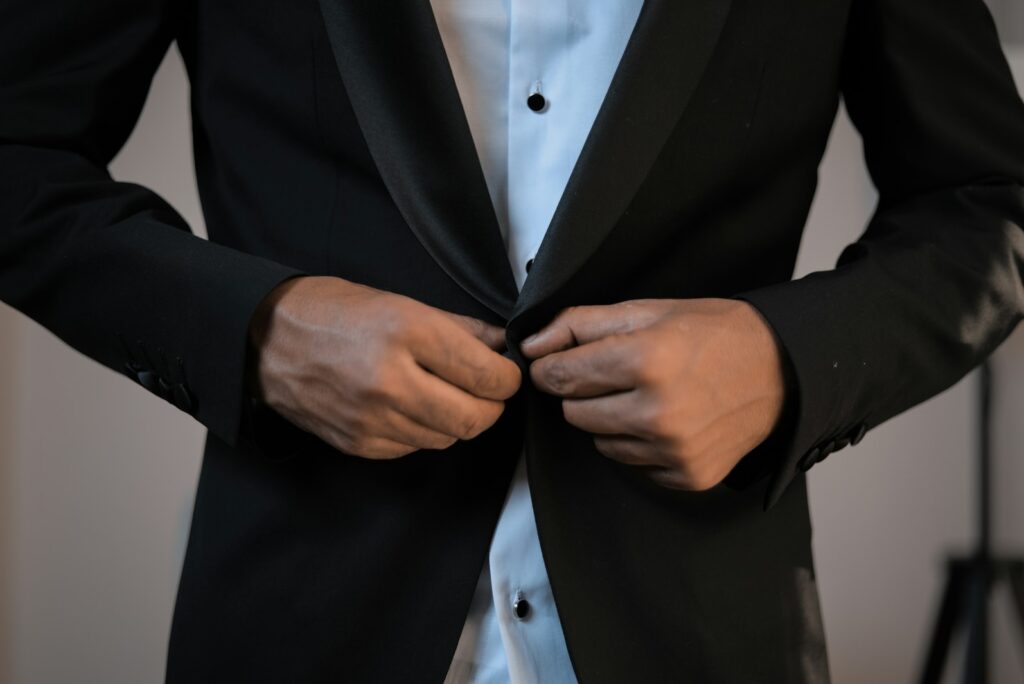
Debrett’s describes a black wool dinner jacket with no vents, silk peaked lapels or a shawl collar, and covered buttons. It goes with black tapered trousers, a white evening shirt with cufflinks and studs, and a hand-tied black bow tie. Emily Post adds a cummerbund or a waistcoat, and no gloves. Debrett’s says a waistcoat and a cummerbund are never worn together.
For evening dress, Debrett’s suggests a long or at least not very short dress or skirt, a cocktail dress in silk, crepe, or chiffon, or flowing palazzo-cut evening trousers. Emily Post lists a floor-length gown, a dressy cocktail dress, or the dressiest little black dress. Debrett’s adds that dresses need not be black, and that wearing black does not by itself ensure the right level of formality.
The black tie attire rules in both sources are written in traditional terms for men and women, but the code describes a level of formality. A guest can build the outfit from either list, and ask the organiser if the invitation is specific.
Debrett’s lists black polished or patent lace-ups with black silk socks, and Emily Post lists black patent shoes with black dress socks. Debrett’s also names a white handkerchief in the left breast pocket, an evening bag, fine or costume jewellery, and an evening coat. For heat, Emily Post suggests a white dinner jacket in summer, in the tropics, or on a cruise, while Debrett’s says white jackets are not usually worn in Britain.
Debrett’s names the mistakes to avoid as a pre-tied bow tie, a novelty shirt, ruffles and frills, a very tight red-carpet dress, and tiaras. It adds that a velvet smoking jacket suits a host at home, but not a guest at an event where black tie is stated.
Debrett’s advice is to ask: consult the hostess, or ask the host, and it notes that white tie will always be stated on the invitation itself. A black tie dress code can also change from one performance or season to another. The Royal Opera House says there is no dress code for regular performances, and that events with a dress code are noted at the point of purchase and on the ticket. Glyndebourne says black tie and Glyndebourne are synonymous during the Festival from May to August, and that the autumn season has a smart casual code.
For a black tie wedding, Emily Post says a tuxedo is required if the invitation states “Black tie”, and for evening suggests a long evening dress or a dressy cocktail dress, depending on local customs. If anything is unclear, ask the couple or the planner.
Tell us the event and the date, and we will check the dress code and plan the evening around it
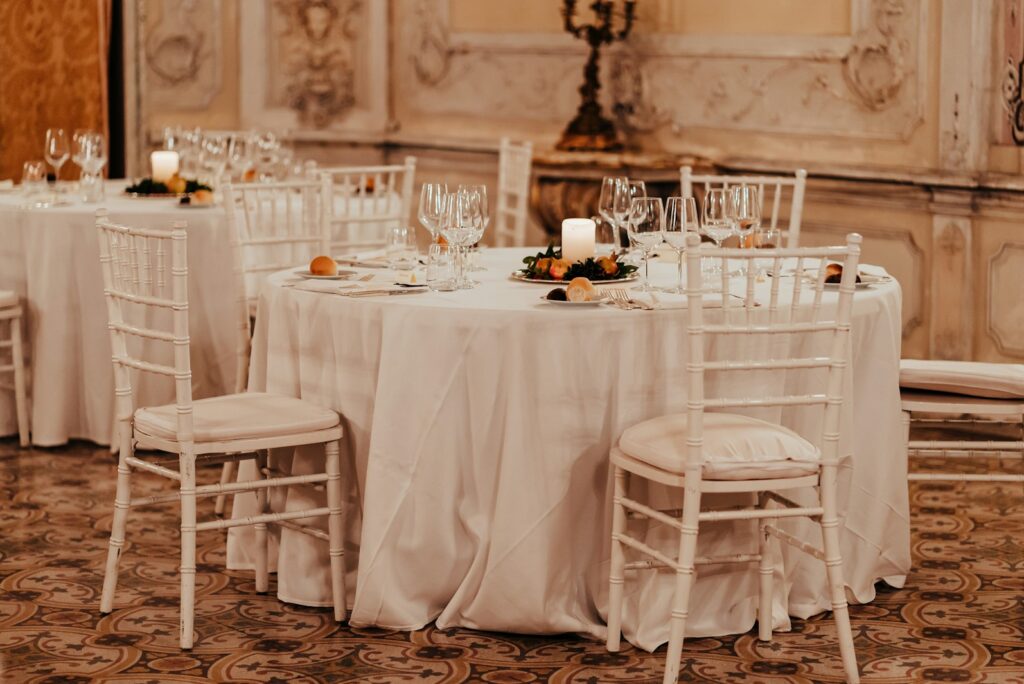
We do not resell tickets; we arrange the days, the access, and the stay around them. For an evening with a dress code, we ask the venue or the host what applies, plan the day around dressing and getting there, and arrange transfers. Our VIP airport assistance covers the arrival when the evening is in another city, and one assistant stays your single point of contact from the first message to the last day.
According to Debrett’s, it is formal evening wear that is less formal than white tie, with a dinner jacket and bow tie on one side and an evening dress or equivalent on the other
White tie is the most formal code, with a tailcoat, a white shirt with a wing collar, and a white bow tie, while black tie uses a dinner jacket and a black bow tie
Emily Post describes it as a code with two formal options, either a tuxedo or a dark suit with a conservative tie, and a formal gown, a cocktail dress, or dressy separates
Emily Post says a tuxedo is required if the invitation states “Black tie”, and suggests a long evening dress or a dressy cocktail dress for evening, depending on local customs
Yes, we ask the venue or host about the dress code, plan the day around it, and arrange transfers, although we do not resell tickets