Luxury Corporate Gifts: Getting Year-End Client Gifting Right
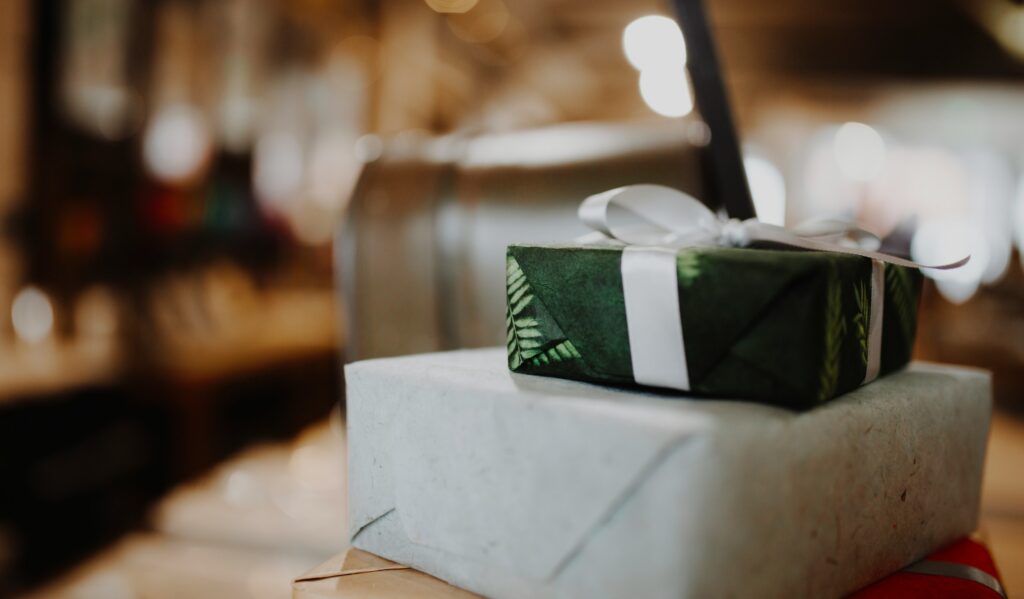
A client gift that respects their policy, arrives before the office closes, and still feels chosen for one person
Read MoreeastSeven kilometres of Belgian forest, sixty GT cars, and weather that changes three times before breakfast
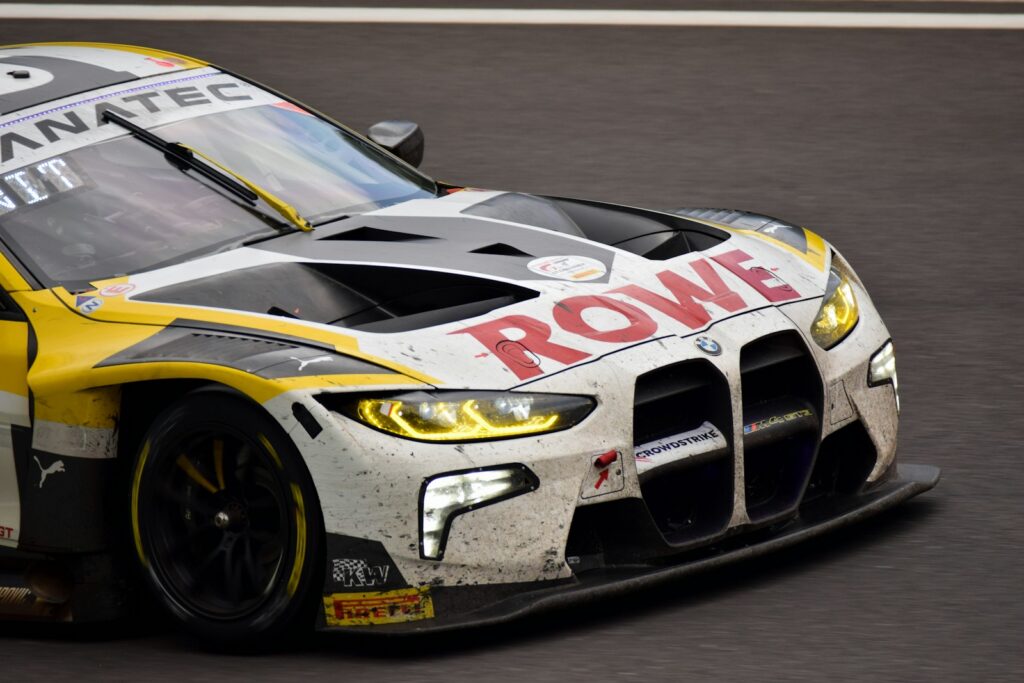
The 24 Hours of Spa has been run at the Circuit de Spa-Francorchamps at Stavelot, in the Belgian Ardennes, since 1924. It is now the centrepiece of the GT World Challenge Europe and a round of the Intercontinental GT Challenge, contested by production-based GT cars from the major manufacturers.
Spa is the oldest of the great endurance venues still in use for its original purpose, and the circuit — laid out between the villages of Francorchamps, Malmedy, and Stavelot — retains the character of a road course. It is seven kilometres long, with a hundred metres of elevation change and a layout fast enough that Formula One drivers name it as their favourite in the world.
The corner everyone comes for is Eau Rouge and the Raidillon above it — a left-right-left taken at the bottom of a valley and up a steep hill, blind at the exit, at very close to full speed. Watching GT cars take it in the dark, with the hill lit only by their own lights, is the single image the event is known for.
The other defining feature is the Ardennes weather. The circuit is long enough to be wet at one end and dry at the other, which happens regularly and turns strategy into guesswork. More runnings of the 24 Hours of Spa have been settled by a tyre call in a rain shower than by outright pace, and the teams know it.
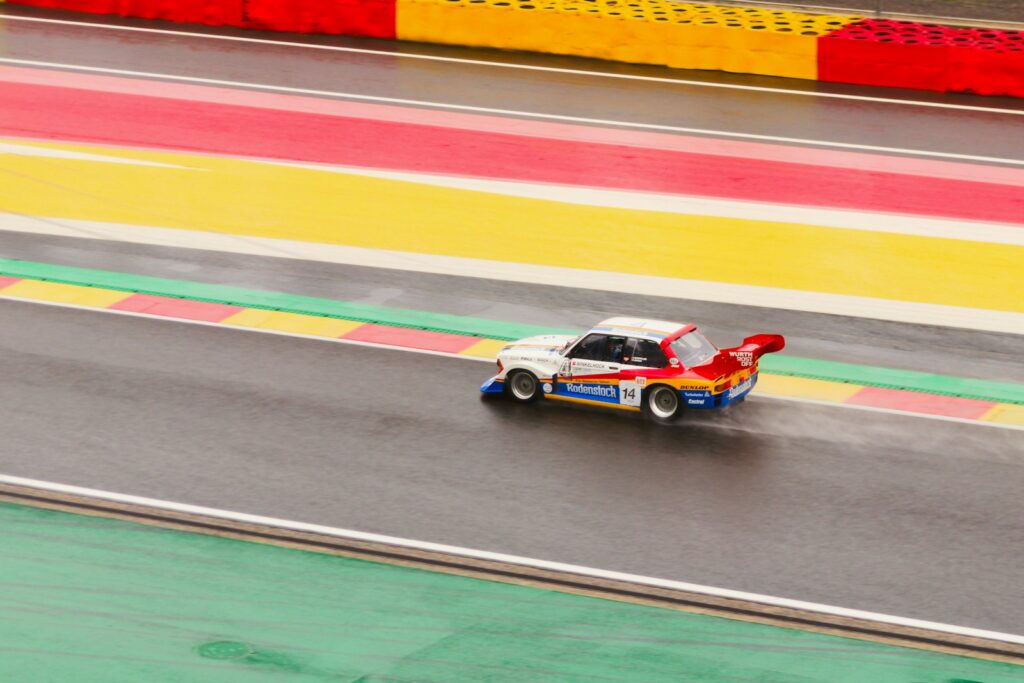
The race starts in the late afternoon on Saturday and finishes at the same hour on Sunday. Because the circuit sits in a forest with no town attached, most spectators camp inside it, which gives the event a particular character — closer to a festival in the woods than to a Grand Prix.
For anyone not camping, the useful positions are hospitality above the pit straight, which has the timing screens and the pit lane, or a position at Eau Rouge, which has the spectacle. The two are a fifteen-minute walk apart, and doing both across twenty-four hours is the correct answer.
Tell us which July you are in Belgium and we will build the twenty-four hours around you
Spa-Francorchamps hosts the Belgian Grand Prix, a round of the World Endurance Championship, and a full calendar of club and historic meetings, which means the circuit is usable most weekends of the year. For anyone who wants to drive it rather than watch it, track days are run regularly and the layout is public road for parts of the year.
The region is also worth more than a race weekend. Spa itself is a nineteenth-century spa town that gave the word to the language, the Ardennes have proper walking and driving country, and the Hautes Fagnes plateau above the circuit is a national reserve. A weekend built as two days of racing and two of the Ardennes works considerably better than four days at a circuit.
And unlike Le Mans, the whole circuit is walkable in an afternoon, so a single ticket gives access to genuinely different views of the same race.
Spa pairs naturally with Le Mans in June and Le Mans Classic in July for anyone following endurance racing properly, and Brussels is ninety minutes away if the weekend needs a city at either end of it.
In late July, starting on the Saturday afternoon and finishing on the Sunday, at Spa-Francorchamps in the Belgian Ardennes
It was first run in 1924, which makes it one of the oldest endurance races in the world
Production-based GT cars from the major manufacturers, as the centrepiece of the GT World Challenge Europe
The left-right-left at the bottom of a valley and up a steep hill, taken close to flat out and blind at the exit. It is the corner the circuit is famous for
The circuit is seven kilometres long and can be wet at one end and dry at the other. Tyre calls in changing conditions decide the race more often than pace does
Spa itself, or Liège at about forty-five minutes. The circuit has no town attached to it
Yes, Spa 24 Hours and the 24 Hours of Spa are the same race, run each year at Spa-Francorchamps.
The 24 Hours of Spa 2027 is expected to keep its usual late-July weekend, with exact dates confirmed by organisers the previous winter.
Grandstand and paddock passes for 24 Hours of Spa tickets go on sale months ahead, with the best viewing points near Eau Rouge selling first.
Yes, the race returns to the circuit every summer, having run for a century with only a handful of interruptions.