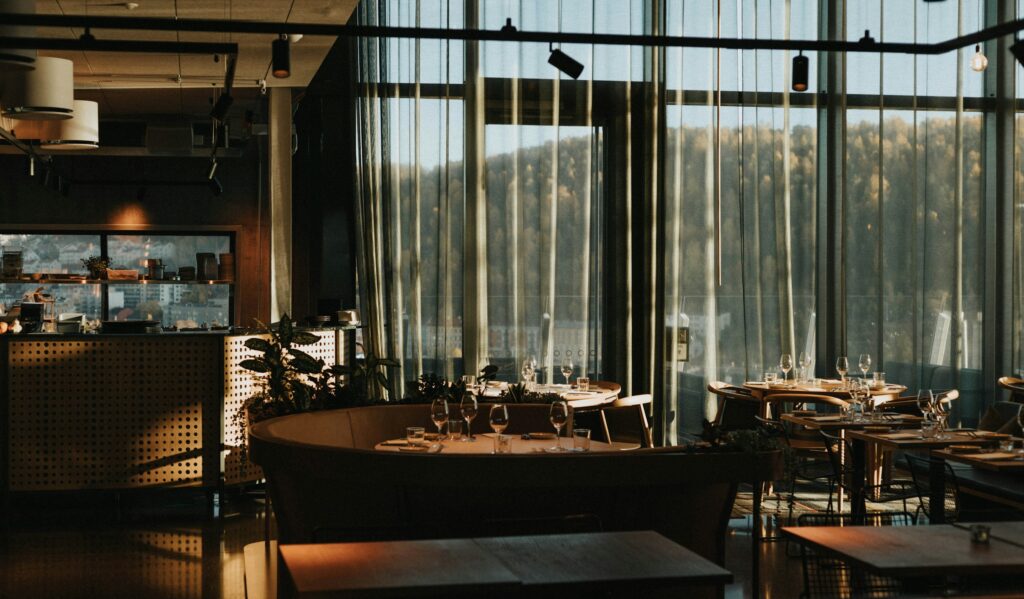
Restaurants Worth Flying For: Unique Dining Experiences in Five Cities
Six starred tables in five cities, and how to plan the flight around the reservation
Read MoreeastThe colour moves south for more than two months, and the right week depends on where you plan to be
Japan autumn foliage starts in the mountains of Hokkaido in September and reaches Tokyo and Kyoto between mid-November and early December, so it is better understood as a front moving south than as a single date. The Japan National Tourism Organization (JNTO) puts the season between late September and early December, depending on the place, the elevation, and the temperature of the year.
This page covers how the colour moves, where to see it, and what to arrange early. For the full calendar, see our guide to the best time to visit Japan, and for the spring season, our guide to the cherry blossoms.
The colour travels south and downhill. JNTO notes that in each region the mountains turn first, and the colour then reaches city gardens, parks, and temples. In Daisetsuzan National Park in Hokkaido, the earliest colours in Japan peak around mid-September.
The JNTO forecast page lists the usual best viewing time for each city. It is early November for Sapporo, late November for Tokyo and Osaka, and early December for Fukuoka. That makes late November the centre of the season for most travellers to the main cities.
Treat every date as a range, not a promise. A warm year can push the peak a few days later, and the first colour in the hills and the full colour in a city garden are not the same week. Forecasts for red and yellow leaves come from two weather companies, the Japan Weather Association, whose version JNTO shows, and the Japan Meteorological Corporation. Both update them as the season develops.
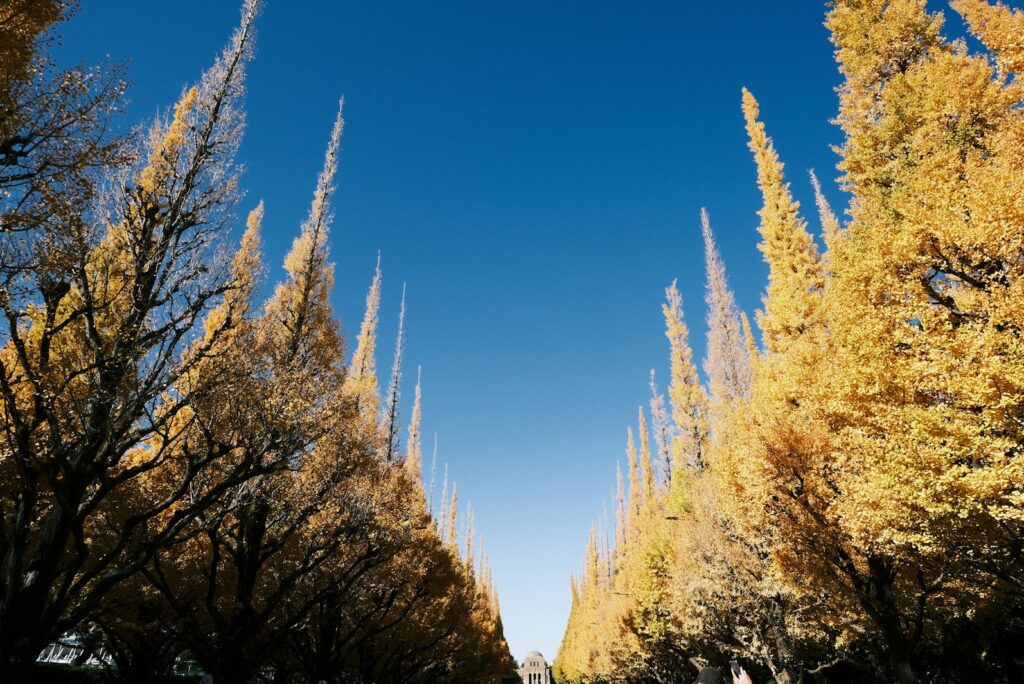
In Tokyo, Rikugien is one of the finest gardens for the season. According to Tokyo’s official tourism site, it was created by Yoshiyasu Yanagisawa for the fifth shogun, and its maple and zelkova trees colour in autumn. Special night viewings are held in late autumn, and the garden’s official site lists its seasonal events. For ginkgo, JNTO points to Meiji Jingu Gaien, where the trees colour from mid-November to early December.
In Kyoto, JNTO says the season starts in mid-November, and the city is busiest at the end of the month, when the leaves are at their peak. Tofuku-ji is one of the most popular places for the colour, with maples beside the Tsutenkyo Bridge as its centrepiece, and Takao, north of Arashiyama, is another well-known spot. Kyoto’s official tourism site adds that some temples and shrines hold special admissions and evening light-ups during the season.
Where you stay shapes how easily you reach these places, so our guides to luxury hotels in Tokyo and luxury hotels in Kyoto are a good place to begin.
The colour ends as the cold arrives. The Japan Meteorological Agency (JMA) notes that cold northwesterly winds and precipitation on the Sea of Japan side become more frequent in November, while JNTO notes that winter also brings many sunny days, with the ski season starting and powder snow covering the north.
This makes early December a natural bridge between the two seasons. Travellers who reach Kyoto for the last of the colour can continue towards the north for Japan winter travel, or end the trip before the New Year, when many shops and restaurants close for one or more days between 29 December and 4 January. Our guide to planning a luxury trip to Japan sets out routes for each season.
Tell us when you can travel, and we will plan your Japan trip around the autumn colour
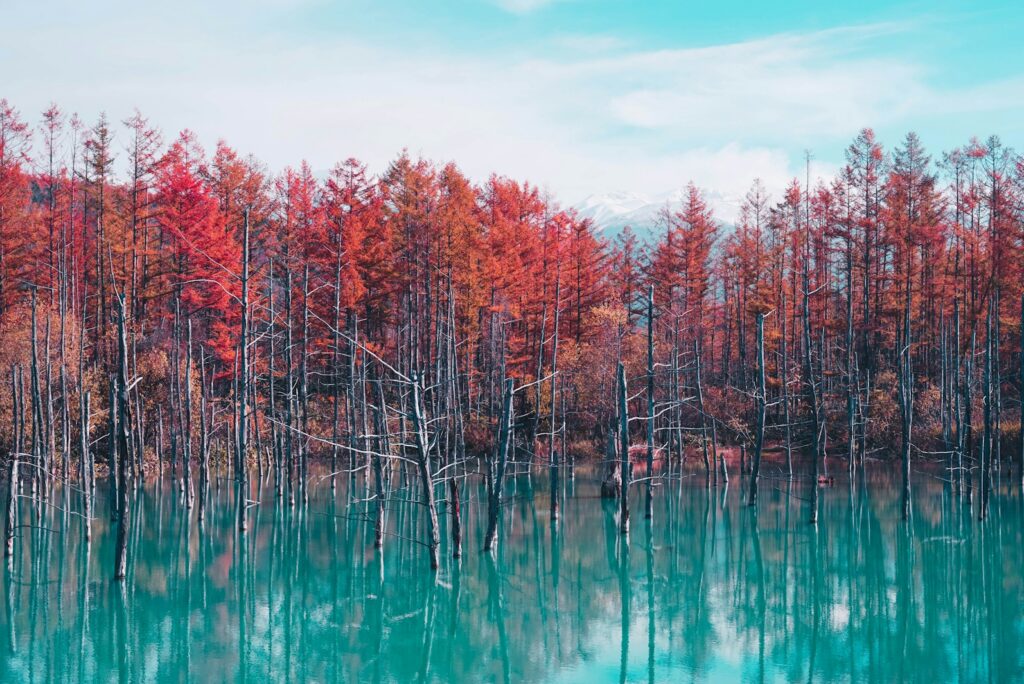
At Perfect.Live, we plan a Japan autumn foliage trip around the colour: hotels and ryokan chosen for the right district, flexible terms requested where they are offered, private transfers, early starts at the busiest gardens, and dinners booked for the evenings that matter. Our guide to the best restaurants in Tokyo helps with the evenings. Where a night viewing or a temple opening needs a ticket, we check the rules and arrange it where availability allows. One team stays in contact throughout, so the plan can change if the colour does.
It runs from late September to early December, with Tokyo and Kyoto usually at their best between mid-November and early December
The season starts in mid-November, and the end of the month is the busiest time, when the leaves are at their peak
Weather companies such as the Japan Weather Association and the Japan Meteorological Corporation publish forecasts, and JNTO shows the Japan Weather Association version
Hokkaido, where the mountains of Daisetsuzan National Park turn first and peak around mid-September
Start with the hotel and key reservations as early as you can, and choose a range of dates instead of a single day