Restaurants Worth Flying For: Unique Dining Experiences in Five Cities
Six starred tables in five cities, and how to plan the flight around the reservation
Read MoreeastSpring, summer, autumn, or winter — each season shows a different Japan, and the right one depends on how you like to travel
The best time to visit Japan depends on what you want from the trip. Spring and autumn are the most comfortable seasons, summer is hot and humid, and winter is clear in the cities and snowy in the north. Each season offers a different kind of luxury, and each has weeks when the country is much busier than usual.
This guide looks at the year season by season, using climate data from the Japan Meteorological Agency and travel information from the Japan National Tourism Organization. It also marks the busy holiday weeks, because they shape availability as much as the weather does.
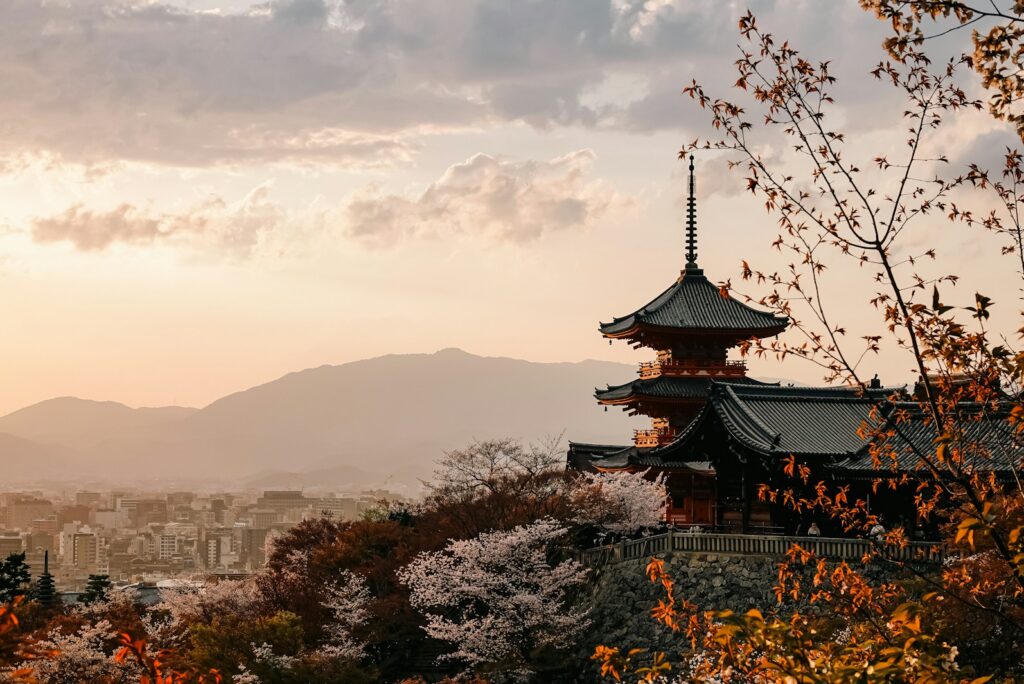
Spring runs from March to May. The Japan National Tourism Organization (JNTO) describes it as cool and breezy, with generally sunny skies, and the blossoms move from south to north across those months. Our guide to the cherry blossoms covers that timing in detail. Spring is also busy. Golden Week, from late April to early May, is one of the busiest travel periods in Japan, with packed trains and hotels, and JNTO suggests the calmer second half of May for mild weather before the rains.
Autumn is the other comfortable season. According to the Japan Meteorological Agency (JMA), October brings sunny weather under high-pressure systems, while September is wetter because of the autumn rain front and tropical cyclones. Autumn colour spreads from Hokkaido in late September to the rest of the country by early December.
The rainy season, called tsuyu or baiu, is the main change in Japan’s weather between spring and summer. The JMA records it in all areas except Hokkaido, which makes the island a calm choice for early summer. Its 1991-2020 averages put the start at around 5-7 June and the end at around 17-19 July for the area from Shikoku to the Tokyo region, with Okinawa about a month earlier. Hokkaido has no rainy season, which makes it a calm choice for early summer.
July and August are hot and humid. JMA normals show Tokyo averaging about 27°C in August, compared with about 5°C in January, and JNTO points to Tohoku, Hokkaido, and the mountains for some relief. JNTO also warns that typhoons can disrupt plans in August and September.
Summer has its own rewards. The Gion Matsuri in Kyoto runs through July, with the main float processions on 17 and 24 July. The Obon holiday, mainly 13-16 August, is one of Japan’s three major travel periods, so trains and hotels are full around those dates.
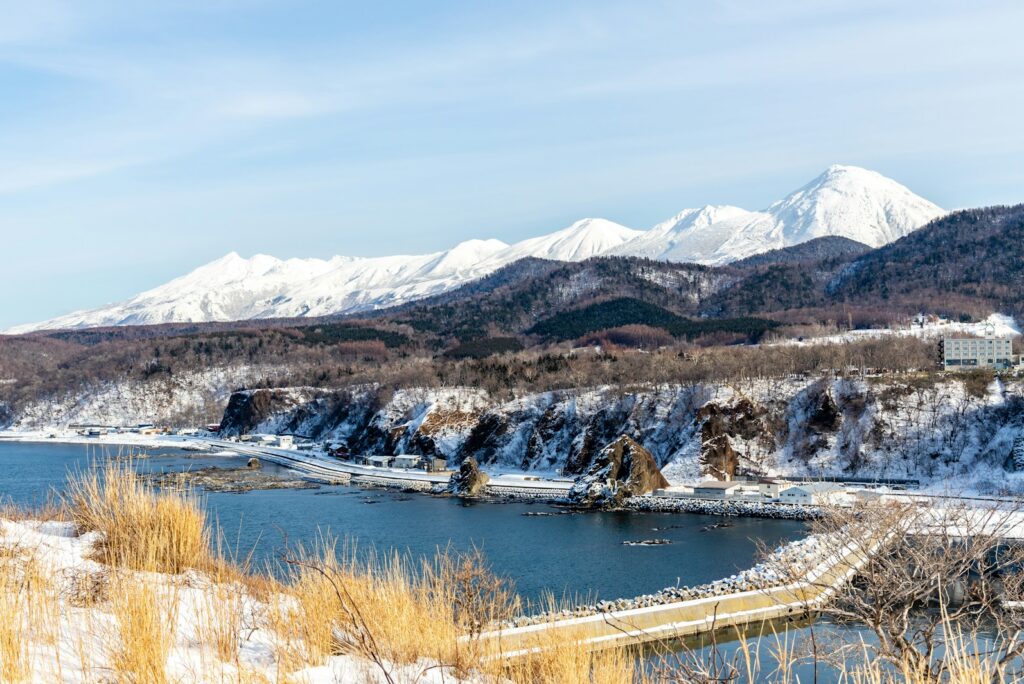
Winter, from December to February, suits travellers who prefer clear skies and quiet cities. JNTO notes that Pacific-side cities such as Tokyo and Osaka see little snow and many sunny days, while Hokkaido and the Sea of Japan coast receive heavy snowfall. Sapporo’s average January temperature is about −3°C in JMA normals, and the ski season brings powder snow to the north. The Sapporo Snow Festival takes place in early February.
Winter also suits a stay in a ryokan, a traditional inn, where a hot spring bath and a long dinner make the cold part of the pleasure. The one period to plan around is the New Year. Many attractions, shops, restaurants, and banks close for one or more days between 29 December and 4 January, especially on 1 January, and trains and airports are crowded as people leave and return to the cities. Choosing the weeks on either side of the holiday keeps the pace of the trip calmer.
Tell us your travel dates, and we will plan the trip around the season
The best time to visit Japan is the one that fits your plans, so we start from your dates and your preferences, then plan the rest: which cities suit the season, where to stay, and which days to keep free. We arrange hotel and ryokan stays, transfers, and restaurant bookings, and we plan each day around the weather and the holiday weeks. Where your dates fall in a busy period, we look for the best options still open and tell you early if something is not possible. Our guides to luxury hotels in Tokyo and luxury hotels in Kyoto are a good place to begin, along with our pages on the best restaurants in Tokyo and luxury shopping in Tokyo.
Spring and autumn are the most comfortable seasons, but the right choice depends on what you want from the trip, from garden walks to snow and hot springs
In most of the country it runs from early June to mid or late July, and Hokkaido does not have one
It is hot and humid, with a typhoon risk and the Obon travel peak around 13-16 August, so Hokkaido and the mountains are cooler choices
From December to February, when Hokkaido and the Sea of Japan coast receive the heaviest snowfall
As soon as your dates are fixed, and earlier for Golden Week, Obon, the New Year period, and the Gion Matsuri in July