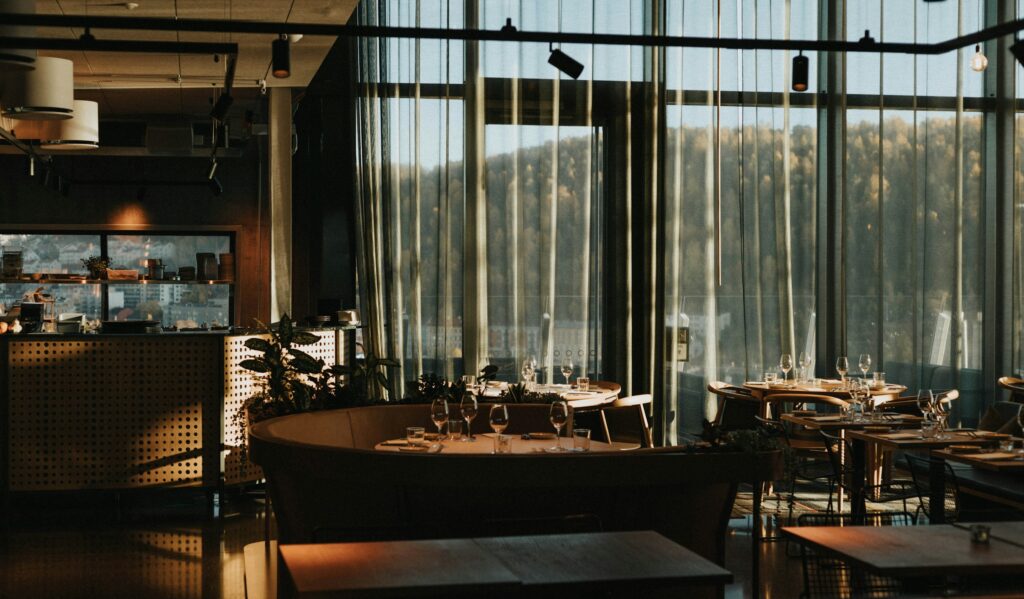
Restaurants Worth Flying For: Unique Dining Experiences in Five Cities
Six starred tables in five cities, and how to plan the flight around the reservation
Read MoreeastA route that gives each place room, in the season that suits it, with the right stay at every stop
Japan luxury hotels range from international towers above Tokyo to small ryokan in the mountains, and the right choice depends on the route as much as the room. A luxury trip to Japan works best when the order of places, the season, and the stays are planned together.
This guide is the starting point for our Japan series. It sets out how we think about pace, places, seasons, and transport, and it leads to separate guides on hotels in Tokyo and Kyoto, the best time to go, and the cherry blossom season.
Most first visits begin in Tokyo and continue to Kyoto, and that pairing is a sound foundation. Japan rewards time spent in one place, and a route that changes hotel every night leaves little room for the evenings that make the trip.
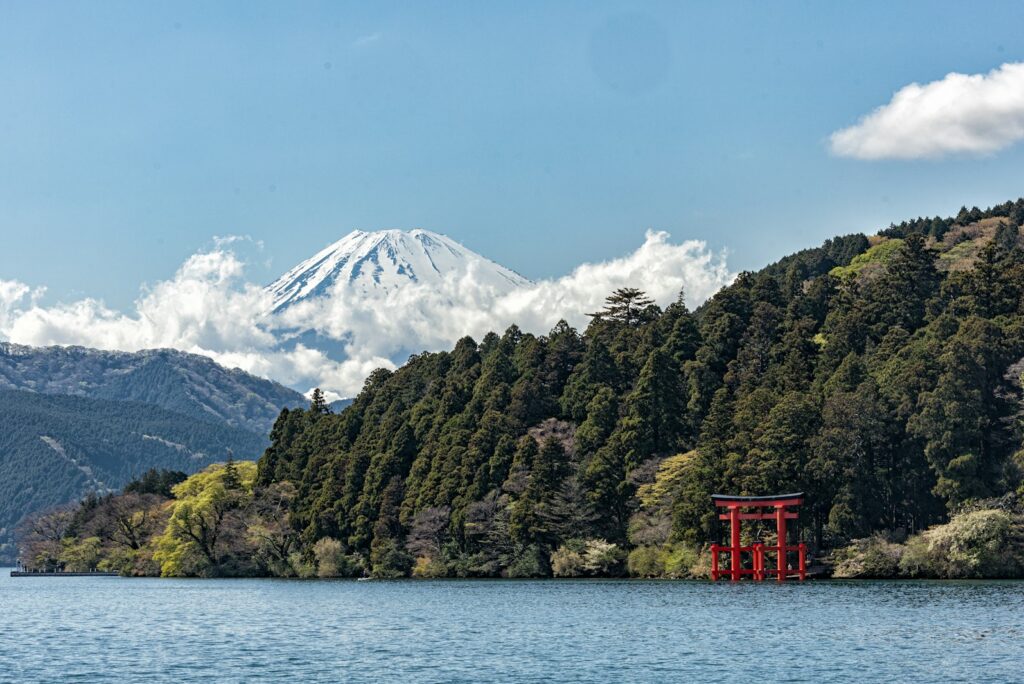
Hakone adds mountain hot springs and views of Mount Fuji, and Odawara, its gateway station, is about 35 minutes from Tokyo by Shinkansen. Osaka and Nara suit travellers who want food or temples close to Kyoto. Kanazawa, home to the Kenrokuen garden, is about two and a half hours from Tokyo on the Hokuriku Shinkansen. Hokkaido is about 90 minutes by air from Tokyo, and it works best as a separate week for snow or summer landscapes rather than a stop squeezed in at the end.
Choose the district before the name. When you compare Japan luxury hotels in Tokyo and Kyoto, the area decides how each day feels, which is why we cover them in separate guides to luxury hotels in Tokyo and luxury hotels in Kyoto.
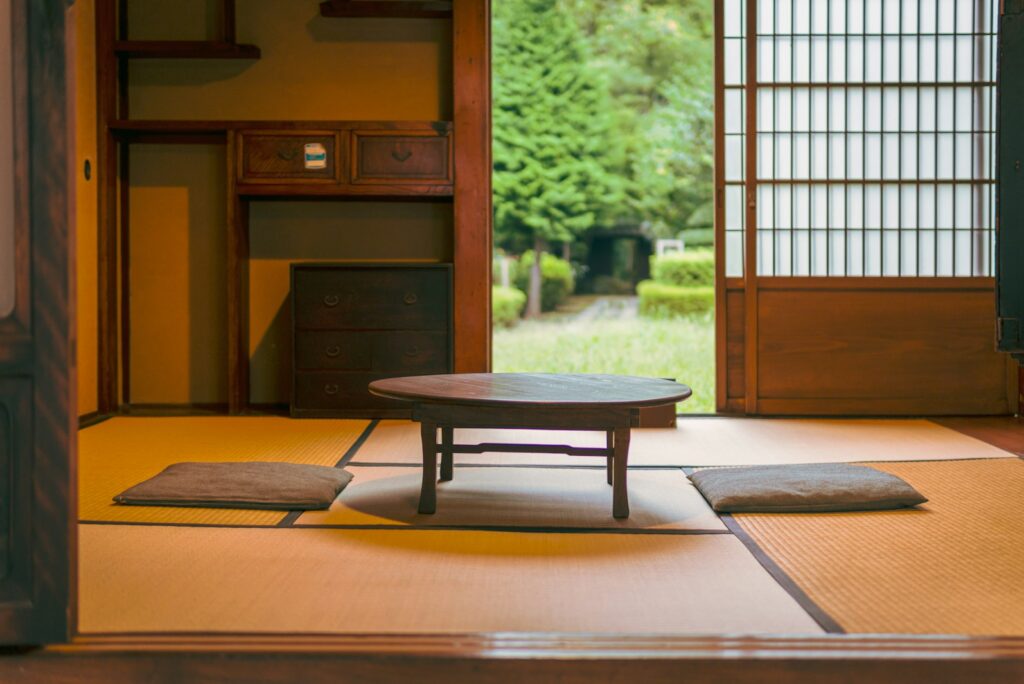
Ryokan are the other half of the stay. A ryokan is a traditional Japanese inn, and its common elements are tatami floors, futon bedding, private baths, and a multi-course kaiseki dinner followed by a Japanese breakfast. Gora Kadan in Hakone, set on the grounds of a former Imperial family summer villa, is one example. HOSHINOYA Kyoto, a riverside retreat in Arashiyama, offers a similarly slow rhythm. One or two nights suit most itineraries, because the evening follows the house’s own schedule. If you have tattoos, tell the ryokan in advance, as bath rules differ.
Spring and autumn are the classic seasons. Cherry blossom arrives between March and May, depending on the region, and autumn leaves colour the country from late September to early December, according to the Japan National Tourism Organization. Both seasons are busy, so request hotels and ryokan early. Our guide to Japan cherry blossom season follows the bloom from south to north, and our guide to the best time to visit Japan covers the rest of the year.
The rainy season generally runs from early June to mid-July and is often quieter. Summer is hot and humid, while winter brings many sunny days and deep powder snow in the north. For a calm trip, avoid Golden Week from late April to early May, Obon in mid-August, and the New Year holidays, when transport and accommodation are crowded.
The Shinkansen is the backbone of a Japan trip. Tokyo to Kyoto takes about 130 minutes, and the Green Car offers first-class seating. Large cases need some thought. On the Tokaido, Sanyo, and Kyushu lines, JR Central asks passengers with baggage over 160 cm in total dimensions to reserve a seat with an oversized baggage area, and baggage over 250 cm cannot be taken on board. Luggage forwarding between hotels is a standard service in Japan, so cases can travel ahead while you travel light.
Flights suit the longer legs, such as Hokkaido, and a private driver suits days with several stops outside the main stations. Haneda is Tokyo’s city airport, and Kansai International Airport lets you start in the Kansai region. Arriving in one city and leaving from another saves a day of backtracking. Our guide to VIP airport assistance explains how arrivals are arranged.
Tell us your dates and the places you want to see, and we will shape the route
Perfect.Live plans the route and the pace, chooses the hotels and ryokan, books tables and accommodation where availability allows, and arranges the transfers between stops. You have one point of contact from the first call to the last day. For dining, our guide to Michelin star restaurants in Tokyo shows how we approach the city’s most sought-after tables.
Ten to fourteen days suit Tokyo, Kyoto, and one or two further stops without rushing, while a shorter trip works well with Tokyo and Kyoto alone
Spring and autumn are the classic seasons, but both are busy. June and weekdays in January and February are generally quieter
Yes, for one or two nights. It adds tatami rooms, a kaiseki dinner, and often a private bath, though the evening follows the house’s schedule
The Shinkansen connects Tokyo with Kyoto, Kanazawa, and Odawara for Hakone, and flights cover longer legs such as Hokkaido. A private driver suits days outside the main stations
It depends on your passport. Many nationalities can stay for short visits without a visa, so check the Ministry of Foreign Affairs of Japan before you book