Restaurants Worth Flying For: Unique Dining Experiences in Five Cities
Six starred tables in five cities, and how to plan the flight around the reservation
Read MoreeastWhat makes a tent worthy of the word luxury, and where to find canvas, domes, gers, and treehouses that earn it
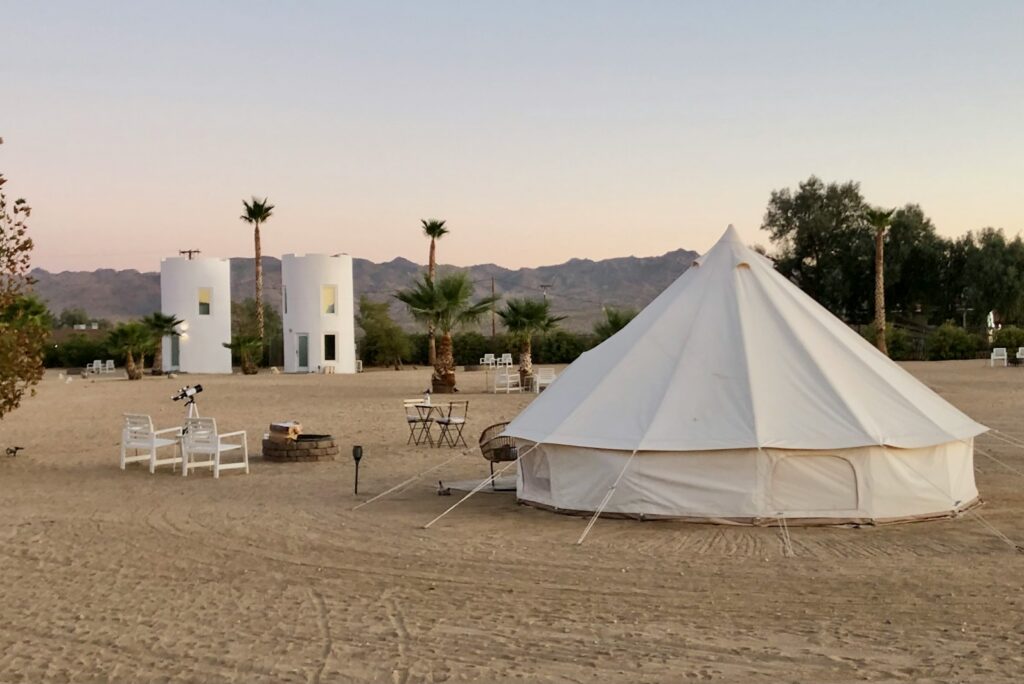
Luxury glamping is a night in the wild with the comforts of a good hotel. The tent, dome, or cabin is only the shell. What matters is a proper bed, a private bathroom, heating or cooling, and a team that cooks, carries, and looks after the details, so the landscape is the only thing you have to think about.
The format now reaches well beyond the classic canvas tent. It includes safari tents, domes, gers, and treehouses, from Montana and the Swiss Alps to the Maasai Mara and the Gobi Desert. Each suits a different traveller, and most follow a season, which is worth knowing before you choose.
Luxury camping at the top end is judged by detail. A real bed with good linen, a private bathroom with a hot shower or a bath, a way to stay warm or cool, and a table that someone else has set are the basics. Service matters as much as the structure: a chef, a host or butler, and a guide who knows the ground.
Two camps show how far the idea can go. Mahali Mzuri in Kenya has 12 tents in the Olare Motorogi Conservancy, part of the Maasai Mara ecosystem, and every tent has an en-suite bathroom with a freestanding bath, a lounge area, and a private deck over the valley. In Montana, Paws Up runs six canvas camps along the Blackfoot River and on the bluffs above it, with en-suite bathrooms, heated floors, a dedicated chef, and a camp butler at each camp.
If a safari is the goal, our guides to luxury safari experiences and luxury African safaris explain the regions and seasons in more detail.
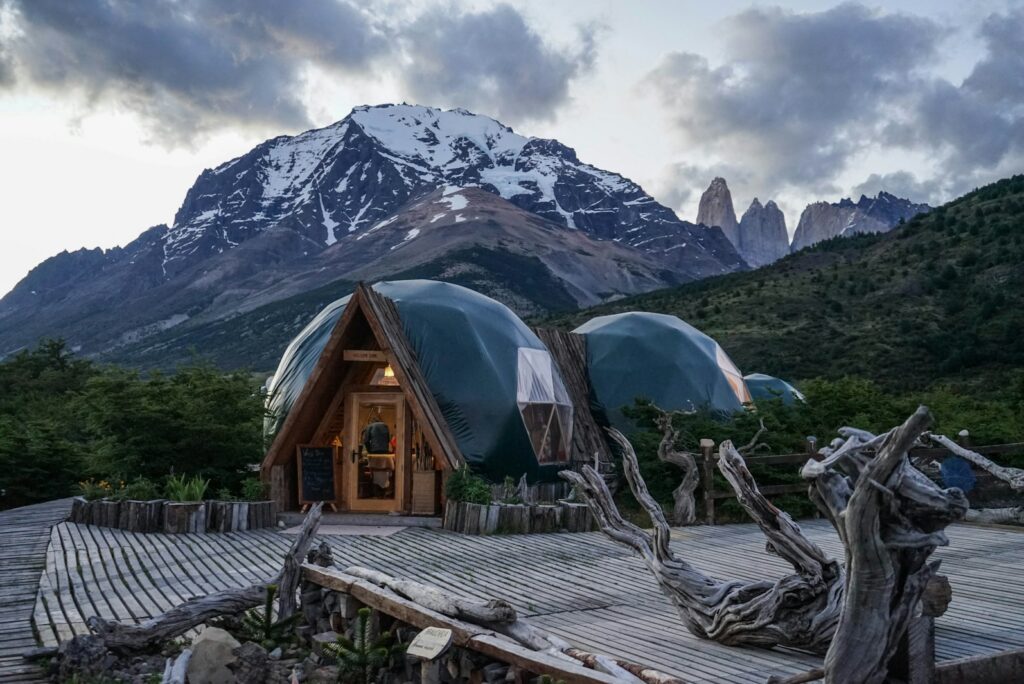
Domes suit mountain settings. Whitepod, in the Swiss canton of Valais, offers dome-shaped pods at 1,400 m, each with a pellet stove, a private bathroom, and a terrace over the valley. The pods are reached on foot, about 15 minutes from reception in summer and about 20 in winter, and the estate welcomes guests in both seasons.
Luxury yurts draw on the oldest version of the idea. In Mongolia the round felt-and-timber tent is called a ger, and Three Camel Lodge in the Gobi Desert has 40 of them, handmade by Mongolian artisans. Each is heated by a wood stove and has a private bathroom with a heated shower. The lodge notes that July is the busiest month, so many guests choose June, August, or September.
Treehouses are the most design-led option. Treehotel in Harads, in northern Sweden, places rooms designed by architects and studios such as BIG and Snøhetta among the pines, and is open in winter as well. Bathrooms differ by room, and only some rooms have a shower, so it is worth asking which room suits you.
Glamping follows the weather more closely than a hotel does, so the month matters as much as the place. Paws Up opens its canvas camps from mid-May to mid-October, which suits the Montana summer and early autumn. Whitepod is open in summer and winter, with hiking in one season and snowshoeing or skiing in the other.
Safari camps follow the wildlife. Mahali Mzuri is open all year, and it places the peak of the wildebeest migration between July and September. Nights in the mountains and the desert can be cold even in summer, so Three Camel Lodge advises layers, including hats and gloves, because temperatures swing during the day from spring to autumn.
For a beach stay after a camp, our guide to private islands covers the options.
Tell us where and when you want to wake up in the wild, and we will arrange the stay
Luxury glamping retreats run smoothly when the details are checked before you arrive. We choose camps around the stay you want, confirm what each tent includes and when the camp is open, and request the dates that suit you. We then arrange the transfers, flights, and drivers, and plan the days around the camp, with one point of contact from the first message to the last night. Many guests pair a camp with a shorter break, and our guides to romantic weekend getaways and luxury honeymoon destinations cover those trips.
Camping with the comforts of a hotel: a real bed, a private bathroom, heating or cooling, and staff who cook and look after the camp
Not always. Some tent types use a shared bathhouse, and some treehouse rooms have no shower, so confirm the bathroom for the exact tent
It depends on the place. Paws Up opens from mid-May through mid-October, Whitepod welcomes guests in summer and winter, and safari camps follow the wildlife seasons
Often, yes. Mahali Mzuri has a family tent with two en-suite bathrooms, and Whitepod has a family pod with a mezzanine for two children, but tent types and rules differ by camp
As soon as your dates are fixed, because small camps have few tents and the main season fills first