Michelin Star Restaurants in Florence: A Concierge Guide
A three-star table, a dining room in an ancient tower, and a new first star for Luca’s. Florence’s eight starred restaurants
Read MoreeastThe charter fee is the beginning of the figure, not the end of it
Yacht charter cost is easily misread, because the number a yacht is advertised at is rarely the number a week ends at. The quoted charter fee covers the yacht and its crew. Several other lines, set out by the contract, sit on top of it.
Understanding the structure is more useful than any single figure. It lets you compare two proposals fairly and see where a week can be shaped to your preferences.
Several variables determine the base fee, and they are the same across seas and seasons.
The yacht itself. Size, age, and builder all matter. A larger or newer yacht from a recognised yard is priced differently from an older one of the same length.
The crew. A crewed yacht typically has a captain, a chef, a deckhand, and a stewardess, and larger vessels carry more. The number and experience of the crew form part of the fee.
The season. Peak weeks cost more than shoulder months. The same yacht in the same bay can be priced differently depending on the date.
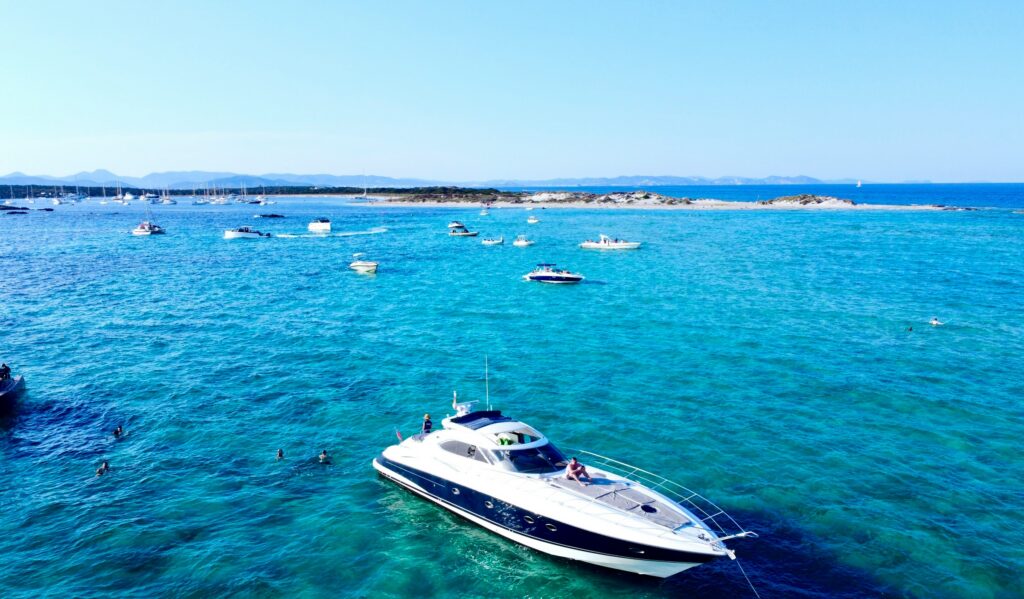
The region. Popular cruising areas carry more demand than quieter ones. Our guides to the Mediterranean, Croatia, and Ibiza show how different the cruising grounds can be.
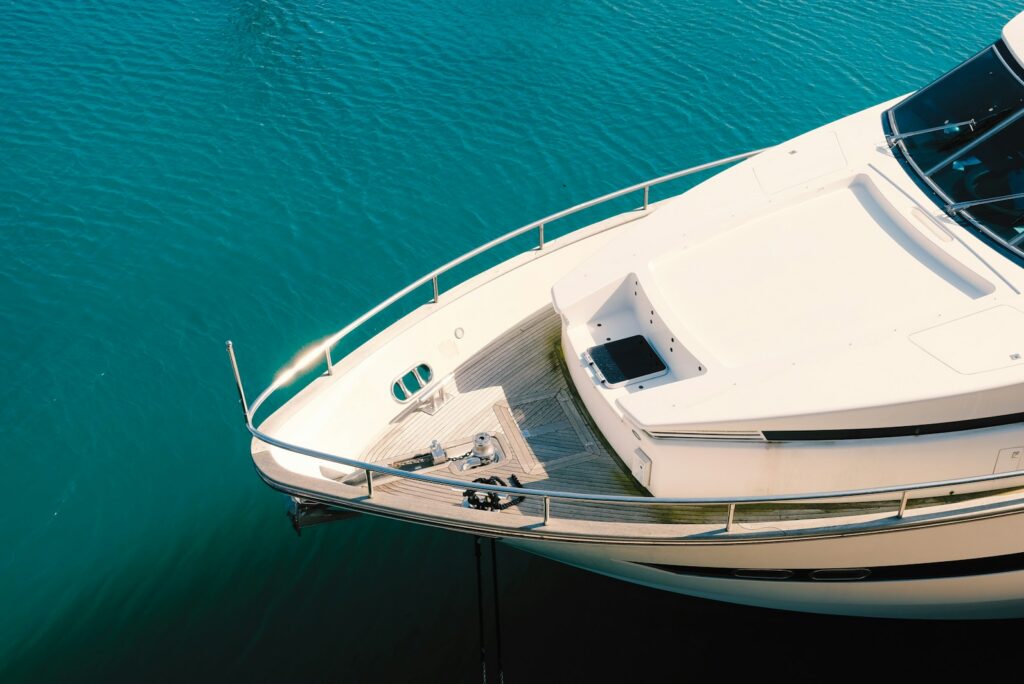
The advertised base rate is typically only part of the total, and the additional costs of a yacht charter fall into recurring categories.
Advance provisioning allowance. Often abbreviated to APA, this is an amount paid in advance to cover expenses incurred during the week. It is generally used for food and drink, dockage, and, on many motor yachts, fuel, with unspent funds returned and a statement provided.
Taxes. VAT or its local equivalent applies in many jurisdictions and depends on where the charter takes place.
Crew gratuity. It is customary to tip the crew at the end of the week, and the amount is at the guest’s discretion.
Relocation fees. If the yacht has to travel to the embarkation port or away from the disembarkation port, a delivery charge can apply.
Luxury yacht cost is easiest to understand when the proposal is read line by line. We suggest four checks.
What is in the base fee. Water toys, tender, crew accommodation, and onboard equipment are sometimes included and sometimes not.
How the allowance is handled. Ask what it covers, how it is reported and when the unspent balance is returned.
What the taxes are based on. The route and the ports of call can change the rate.
What the cancellation terms are. A fixed itinerary in peak season is a commitment, and the contract should state what happens if plans change.
Send us the dates and the guest list, and we will read the proposals with you

We read charter proposals line by line, setting each against what is standard. We brief the broker, compare yachts on the same terms, and arrange the shore side, from flights and private aviation to tables through our fine dining and nightlife service. If your week centres on an event, our guide to the Monaco Yacht Show explains how the harbour works. Perfect.Live is a concierge that arranges, not a charter marketplace.
The base charter fee covers the yacht and crew. Provisioning allowance, taxes, crew gratuity, and relocation fees are typically additional
The advance provisioning allowance is an amount paid before the charter to cover expenses during the week, such as food, drink, dockage, and often fuel. Unspent funds are normally returned
Season is one of the main drivers. Peak weeks are priced differently from shoulder months, and the cruising region also affects demand
Larger yachts generally carry larger crews and costs, but size is only one factor alongside age, builder, and itinerary
Yes, gratuity is customary and at the guest’s discretion, usually at the end of the week