
Cost of Luxury Concierge: How It Is Priced, and Whether It Is Worth It
The cost of luxury concierge membership explained: pricing models, service fees, what drives cost, and whether luxury concierge services are worth it.
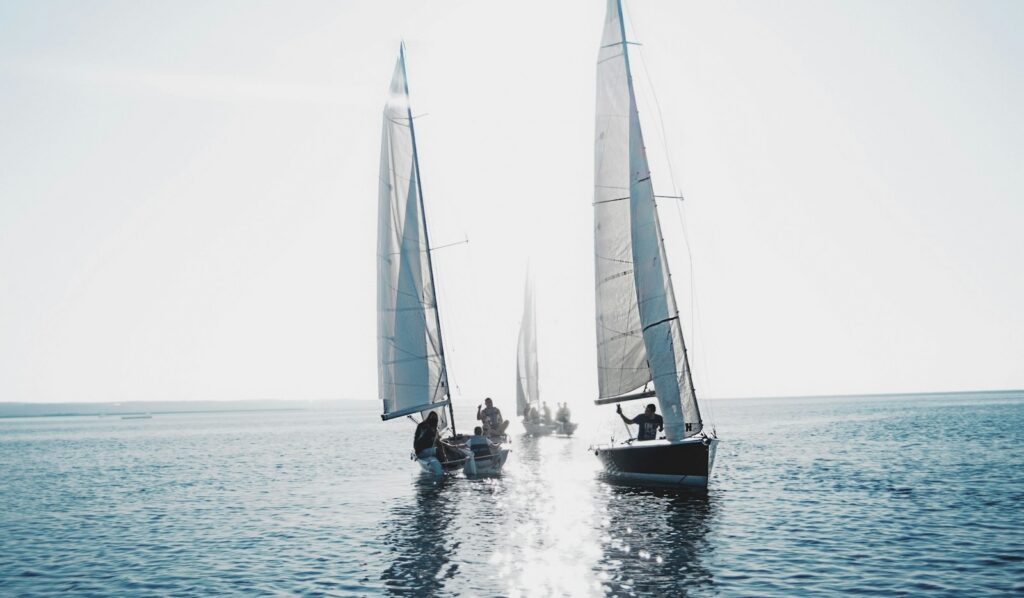
Read MoreeastOut through the Heads on the afternoon of 26 December, then straight into Bass Strait
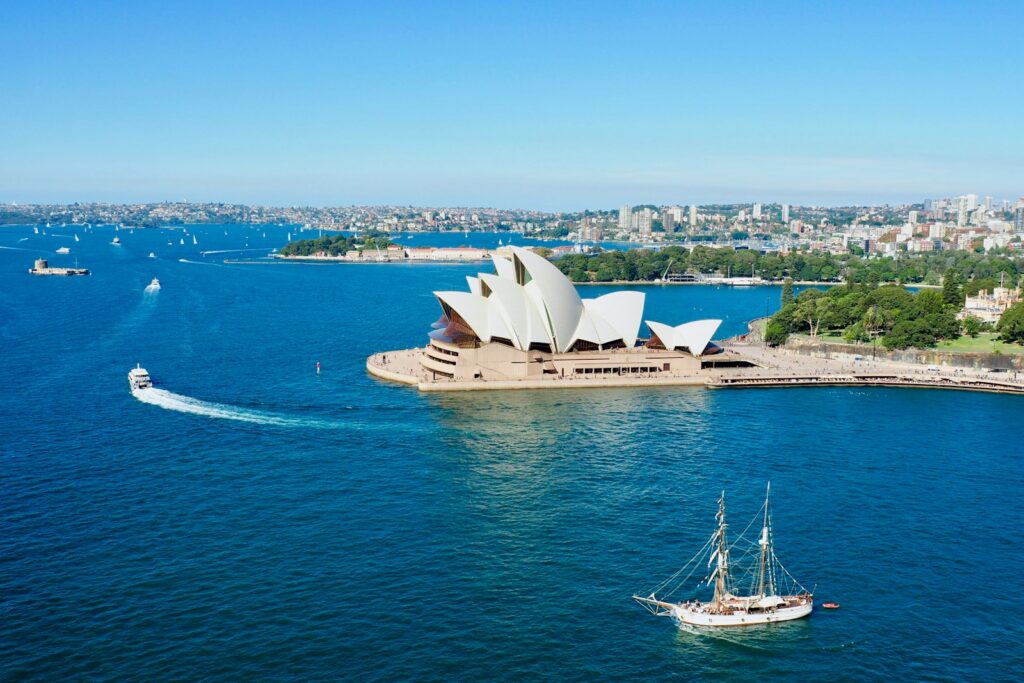
The Sydney Hobart Yacht Race is an annual ocean race hosted by the Cruising Yacht Club of Australia, starting in Sydney on Boxing Day and finishing in Hobart, Tasmania. The distance is approximately 630 nautical miles. It is run in conjunction with the Royal Yacht Club of Tasmania and is widely considered one of the most difficult yacht races in the world.
It began almost by accident. Peter Luke and a group of friends who had formed a club for people who preferred cruising to racing were planning a passage south, until a visiting British Royal Navy officer, Captain John Illingworth, suggested they make a race of it. The first race was held in 1945, and the 2025 edition was the eightieth. Along with the Newport-Bermuda Race and the Fastnet, it is one of the three classic offshore races, each run over roughly the same distance.
There are effectively two competitions taking place at once, and understanding the difference explains most of what you will read about the race. Line honours goes to the first boat across the finish line, which is almost always the newest and largest maxi yacht in the fleet, and it is the result that dominates the news coverage. Wild Oats XI holds the record with nine line-honours victories.
Australia’s foremost offshore prize, however, is the Tattersall Cup, awarded to the overall winner on handicap — calculated from the length, shape, weight, and sail dimensions of each yacht. A well-sailed boat half the size of the leaders can take it, and frequently does.
Tell us whether you want the start, the finish, or the crossing and we will arrange it accordingly
The first hours are a spinnaker run down the New South Wales coast in front of a large spectator fleet. What follows is not. Bass Strait, the stretch of water between the mainland and Tasmania, is shallow relative to the oceans either side of it, which turns a southerly change into a short, steep, and genuinely dangerous sea very quickly.
The race has paid for that. A storm during the 1998 edition caused loss of life and led to substantial changes in race management, safety requirements, and weather forecasting for the event. Every crew that enters now does so under a far more demanding qualification and equipment regime than existed then, and the race is treated by experienced offshore sailors as a serious undertaking rather than a holiday fixture.
Our sailing clients treat the year as a circuit. The Sydney Hobart closes it on Boxing Day, Cowes Week opens August on the Solent, and Les Voiles de Saint-Tropez ends the Mediterranean season. Those travelling to Australia for the season often arrive in time for the Melbourne Cup in November. Corporate hosting on the harbour runs through our Business Concierge team.
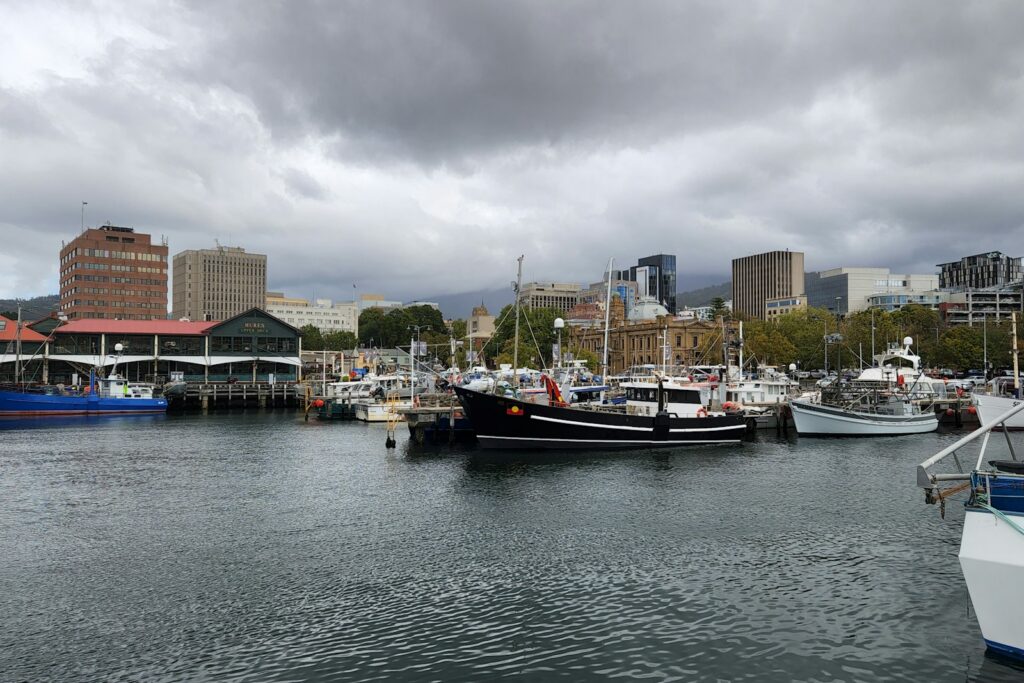
The other half of this race is the arrival. Boats come up the Derwent at every hour of the day and night for several days, and the waterfront at Constitution Dock becomes the centre of the event as each crew ties up and walks ashore. It is one of the few finishes in sport that is genuinely worth travelling to see, precisely because it is unscheduled.
Constitution Dock is the arrival point for the fleet and usually sees the celebrations, with the Customs House Hotel a long-standing favourite among Sydney Hobart crews. Hobart is a small city with a good harbour and an outstanding food and wine culture in the valleys around it, and the week between the finish and the new year is the busiest of its calendar.
For anyone watching rather than sailing, the sensible arrangement is the start on the harbour in Sydney, two days ashore, and then a flight south to be in Hobart when the fleet arrives. That covers both ends of the race and skips the part that is genuinely unpleasant.
On Boxing Day, 26 December, from Sydney Harbour
Approximately 630 nautical miles, from Sydney to Hobart in Tasmania
Line honours goes to the first boat home. The Tattersall Cup goes to the overall winner on handicap
Wild Oats XI, with nine victories
Bass Strait. The shallow water between the mainland and Tasmania builds a short, steep sea very quickly
A year for accommodation at both ends. The holiday period in Australia is booked long before the entries close
The fleet departs Sydney Harbour on 26 December 2026 and typically reaches Hobart’s Constitution Dock between 28 December and 2 January.
Yes, the Sydney Hobart start Boxing Day tradition has run continuously since 1945, departing Sydney Harbour at 1pm each 26 December.
Comanche and Wild Oats XI share the Sydney Hobart line honours record among monohulls, both finishing in under two days.
The Sydney Hobart race distance is approximately 630 nautical miles from Sydney Harbour to Hobart’s Constitution Dock, typically taking two to four days depending on conditions.
Crossing Bass Strait exposes the fleet to sudden southerly busters and steep seas, which have shaped the race’s reputation since the deadly 1998 storm.
Eighty years of the hardest passage in offshore sailing, starting the day after Christmas