
Cost of Luxury Concierge: How It Is Priced, and Whether It Is Worth It
The cost of luxury concierge membership explained: pricing models, service fees, what drives cost, and whether luxury concierge services are worth it.
Read MoreeastEverything made before the year 2000, a short walk across the park from everything made since
Frieze Masters is the historical half of Frieze Week in London. It was announced in May 2011 alongside Frieze New York, held its first edition in 2012 under the direction of Victoria Siddall, and is dedicated to art made before the year 2000. It occupies its own structure in Regent’s Park and runs concurrently with the contemporary fair each October.
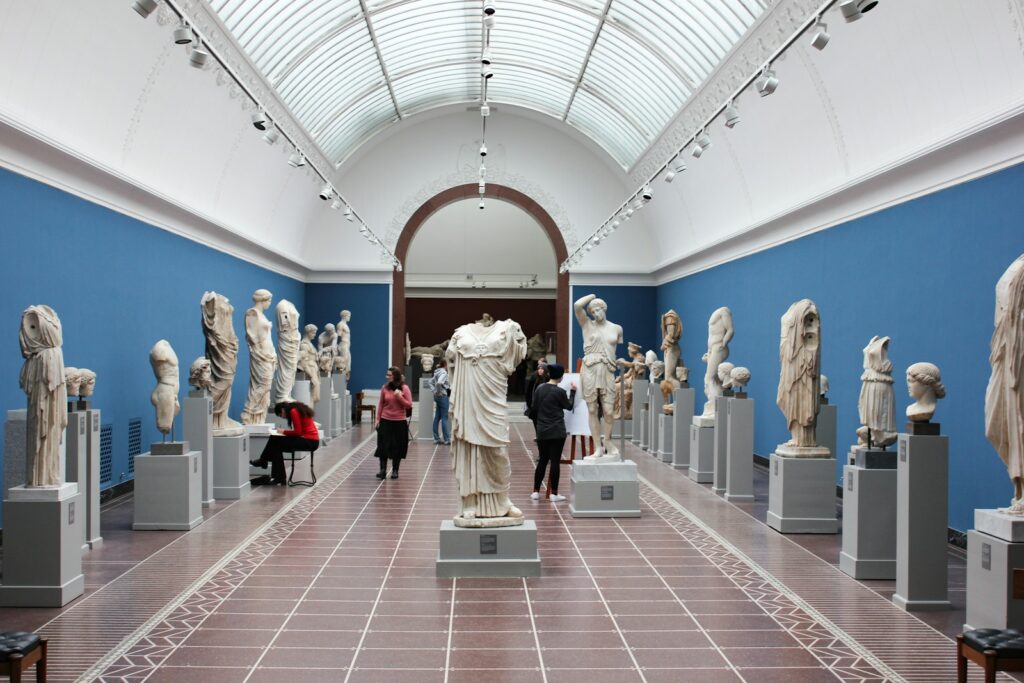
The scope of that single date is what makes the fair unusual. Anything created before 2000 qualifies, which places antiquities, medieval work, old master painting, nineteenth-century art, modernism, and the late twentieth century under one roof, sold by dealers who in most years would never exhibit within sight of one another. The result is less a sector fair than a cross-section of the entire history of the object trade.
Everything about the two fairs diverges past the shared park and the shared week. Frieze London shows living artists and current practice; Frieze Masters shows what has already been judged. The pace is different, the noise level is different, and the questions asked at a booth are different — provenance, condition, attribution, and restoration history rather than the artist’s next show.
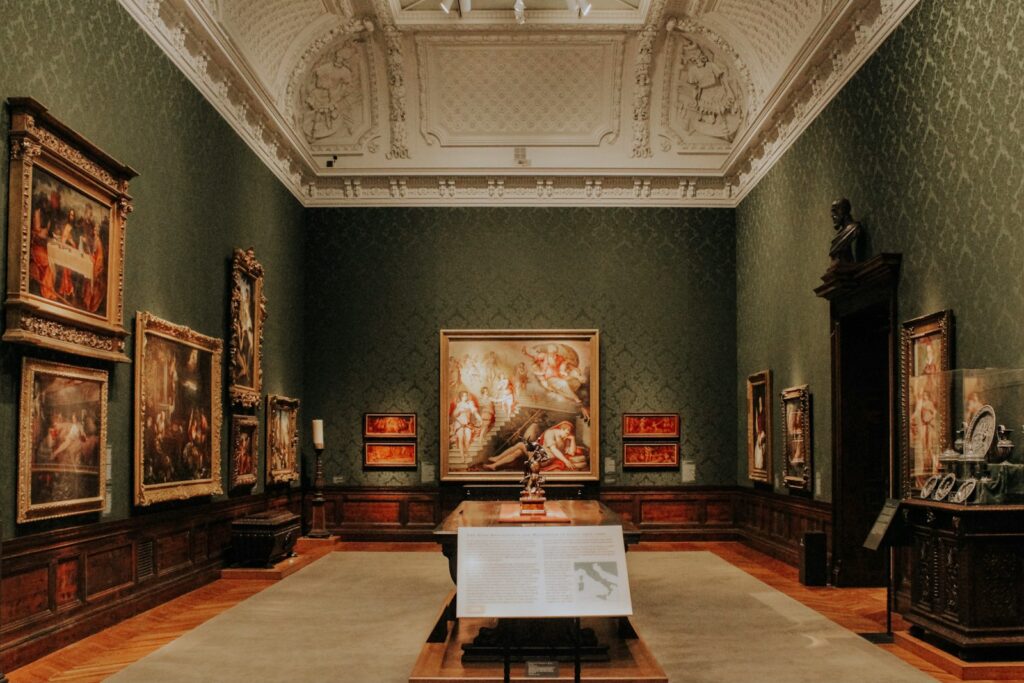
The presentation follows from that. Masters booths tend to be designed rather than partitioned, frequently by architects, and hung as small exhibitions rather than as inventory. Museum curators attend in numbers, because a great deal of what appears has not been publicly visible for decades. For a visitor, the practical difference is that Masters rewards standing still, while the contemporary fair rewards walking.
Tell us which periods interest you and we will arrange the dealers, the previews, and the week
The audience is broader than the word Masters suggests. Collectors of contemporary art use the fair to buy historical work, which is precisely the reason it was placed beside the contemporary fair rather than in a separate season. A collection that begins in the present tends to work backwards, and Frieze Masters exists to catch that movement at the moment it starts.
The institutions are the other half of the room. Because the fair sits inside Frieze Week, curators and trustees who have come for the contemporary programme are already in London, and a significant amount of museum-level material changes hands in the first two days. Anyone attending purely to look should understand that the first morning is a working session for a great many people in the aisles.
We arrange the two Frieze fairs as a single week, never separately — Frieze London in the same park on the same days. For clients following the international calendar we also handle Art Basel in June, Art Basel Miami Beach in December, and Art Basel Hong Kong in March. Corporate and client hosting runs through our Business Concierge team.
The most common complaint about Frieze Masters is that it is overwhelming, and the cause is almost always the attempt to see all of it. A fair that takes in everything made before 2000 will defeat a linear walk. The alternative is to choose two or three periods, find the dealers who work in them, and ignore the rest without guilt.
The second piece of advice is to talk. Unlike at the contemporary fair, where a booth is often staffed by someone managing a waiting list, Masters dealers are specialists in narrow fields and are generally pleased to explain what they have brought. An hour spent with one dealer who knows their material is worth more than three hours of aisles.
Finally, take the walk between the two fairs rather than a car. The park is the only place in the week where the contemporary and the historical sit in the same field of view, and the ten minutes on foot is where most people work out what they actually want to buy.
In October, in Regent’s Park, at the same time as Frieze London.
Art made before the year 2000 — antiquities, old masters, nineteenth-century work, modernism, and the late twentieth century.
No. Separate structure, separate ticket, separate programme. They share a park and a week.
It was announced in May 2011 and held its first edition in 2012.
No, but the fair rewards a specific interest. It is too wide to be walked without one.
Three to four months, and longer if you want dealer appointments rather than a general preview.
The Frieze Masters dates run alongside Frieze London in mid-October, with both fairs open on overlapping days inside Regent’s Park.
Frieze Masters London focuses on historical work, spanning antiquities through to art from the late twentieth century.
Frieze Masters tickets can be bought on their own or combined with Frieze London on a joint day pass.
Frieze Masters Regents Park occupies its own pavilion a short walk from the contemporary fair, set apart by a more classical interior design.
As the leading old masters fair London hosts each autumn, it draws specialist dealers rarely seen together outside major auction house sales.
Antiquities and post-war painting in the same aisle, one week a year, in a London park