
Cost of Luxury Concierge: How It Is Priced, and Whether It Is Worth It
The cost of luxury concierge membership explained: pricing models, service fees, what drives cost, and whether luxury concierge services are worth it.
Read MoreeastA downhill course that drops away at 85 per cent, above a town that fills for three days every January
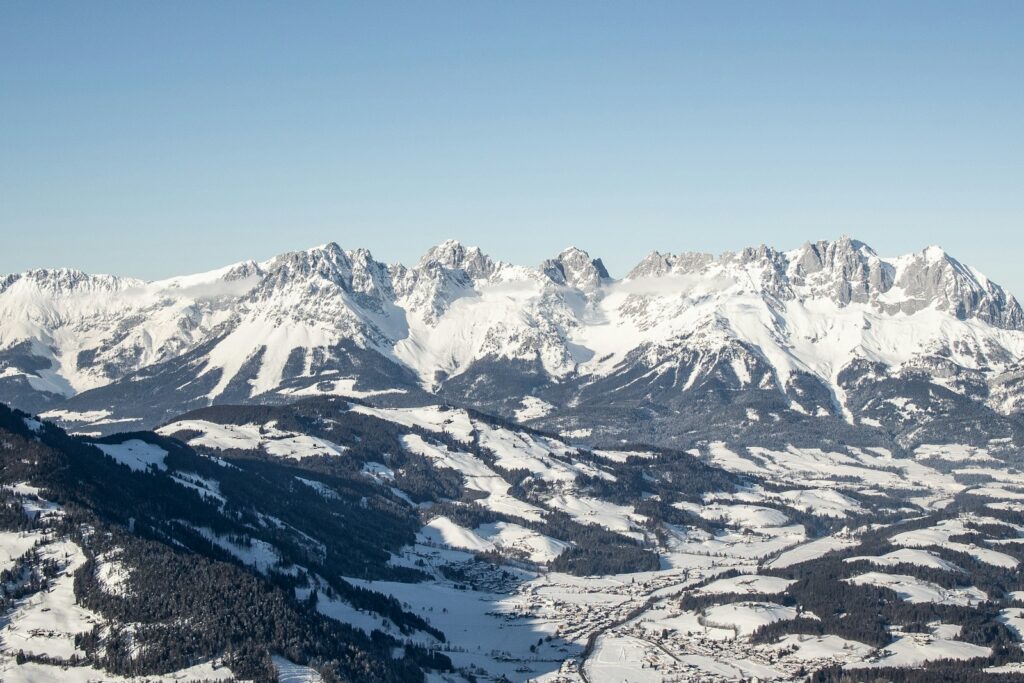
The Hahnenkamm races are held each January at Kitzbühel in the Austrian Tyrol, on the Streif — a downhill course on the Hahnenkamm mountain that racers describe in terms usually reserved for accidents.
The numbers explain why. The steepest pitch runs at 40 degrees, an incline of 85 per cent, and the lower section through the Hausberg, the Traverse and the Zielschuss is taken at close to 140 kilometres per hour with the finish crowd already audible. Didier Cuche holds the record with five wins, which in this context is a career rather than a statistic.
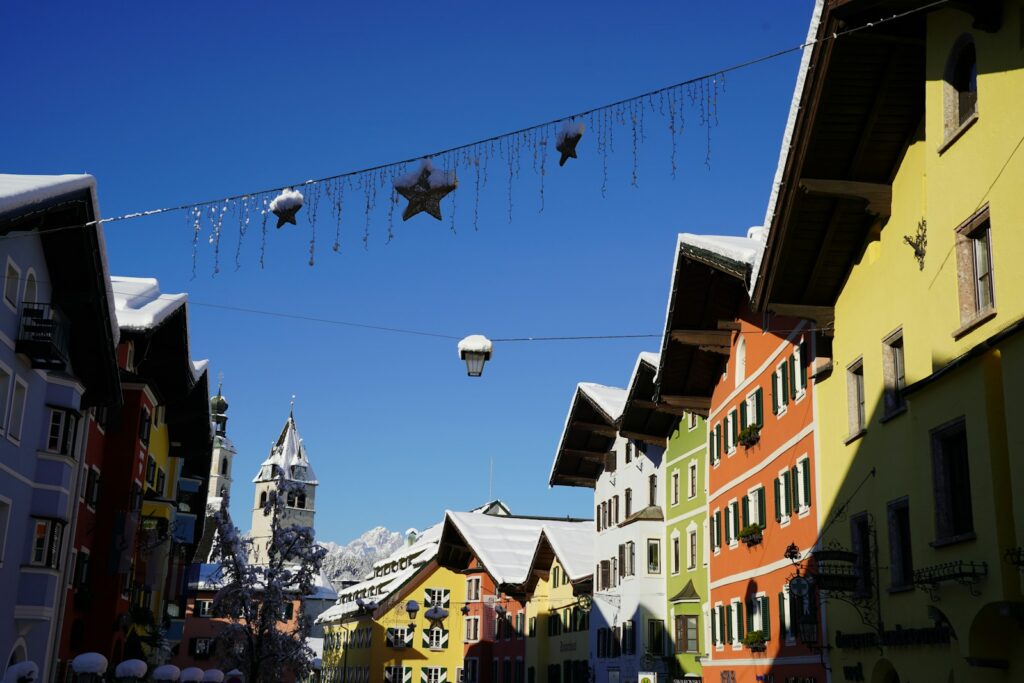
Kitzbühel in race week behaves like Monaco in May. The town has a population in the low thousands and receives tens of thousands of people, the hotels are committed a year out, and the weekend is as much a social fixture as a sporting one — the finish area, the tents above it and a town centre that does not sleep between Friday and Sunday.
It is also the rare event where the spectating is genuinely better than the television. The Mausefalle and the Steilhang are walkable, and standing at the Zielschuss while a racer comes through it is not a thing that translates to a screen.
The Streif is remembered in parts rather than as a whole. The start is a standing drop that reaches racing speed inside five seconds. The Mausefalle follows — the Mousetrap — where the course falls away so sharply that racers leave the ground and land blind on a compression. The Steilhang is the steep traverse that comes next, taken on one edge with the hill pulling the line downhill and the safety netting close enough to read.
Then a long flat section that looks like relief on television and is, in practice, the part where legs fail. The Hausbergkante throws the racer left at speed towards the Zielschuss, the finish straight, which is entered at close to 140 kilometres per hour with the crowd noise already arriving. A clean run takes under two minutes. Most of the field does not have a clean run, and that is the point.
Tell us which January you are thinking of and we will hold Kitzbühel around the race
The downhill is the Saturday, but the meeting runs from Friday to Sunday with a super-G and a slalom either side of it, and the Sunday slalom on the Ganslern is the one locals rate. Between them the town holds the part of race week that has nothing to do with skiing — the concert in the centre, the tents above the finish and a Saturday night that the Tyrol treats as an institution.
Kitzbühel itself is a medieval town rather than a purpose-built resort, which matters when the weather closes in and there is somewhere to go. The ski area is large enough to absorb the crowd, and the days either side of the race are the reason to take the week rather than the weekend.
Over a weekend each January, at Kitzbühel in the Austrian Tyrol.
The downhill course on the Hahnenkamm mountain, with a maximum gradient of 85 per cent and a lower section taken at close to 140 kilometres per hour. It is widely held to be the hardest downhill on the World Cup calendar.
The finish area for the atmosphere, the Mausefalle or Steilhang for the racing itself. Both are arranged in advance; neither is a walk-up.
A year for accommodation. Kitzbühel is a small town and race week is its busiest.
Yes. The races take an afternoon; the Kitzbühel ski area is the reason to be there for seven days.
The Sunday slalom on the Ganslern either side of the downhill, plus a concert in the town centre and the hospitality above the finish. The weekend is a social fixture as much as a sporting one.
Under two minutes for a clean descent, from a standing start to more than 140 kilometres per hour on the finish straight.
The hardest downhill in the sport, and a week in the Tyrol around it