Medical Spa: How to Judge One Before Any Treatment
Same treatment, very different oversight. How to check licences, supervision, and aftercare before anyone touches your skin
Read MoreeastCold plunge benefits, safe temperatures, and how recovery sessions are arranged at hotels, spas, and retreats
An ice bath has moved from the athletes’ changing room to the hotel spa, and the claims have travelled with it. Better sleep, sharper focus, faster recovery, and a calmer mind: the list is long, and the evidence behind it is thinner than the marketing suggests.
This guide sets out what research on cold plunge benefits can reasonably support, what it cannot, and why a short list of people should speak to a physician first. Perfect.Live does not provide medical services. We arrange access to vetted venues and specialists and coordinate the visits, and a physician decides what is appropriate.
Most claims about the benefits of cold plunging rest on small studies. The most useful recent summary of cold plunge health benefits is a 2025 systematic review in PLOS One of 11 randomised trials with 3,177 participants. It reported effects on stress, sleep quality, and quality of life that depended on timing, while changes in mood were not significant. The stress effect was measured at around 12 hours after immersion, so it should not be read as a lasting change.
The same review is candid about its limits. Water temperatures ranged from 7 to 15°C and sessions from 30 seconds to two hours, several trials combined cold exposure with exercise, and women were poorly represented. Its authors call for more robust evidence on both safety and the claimed benefits.
So the honest summary is modest. Cold water therapy may help some people feel better after a hard session, and the Cleveland Clinic describes the evidence for immune benefits as preliminary. Claims that a cold plunge treats or prevents a condition are not established by research, and we do not make them.
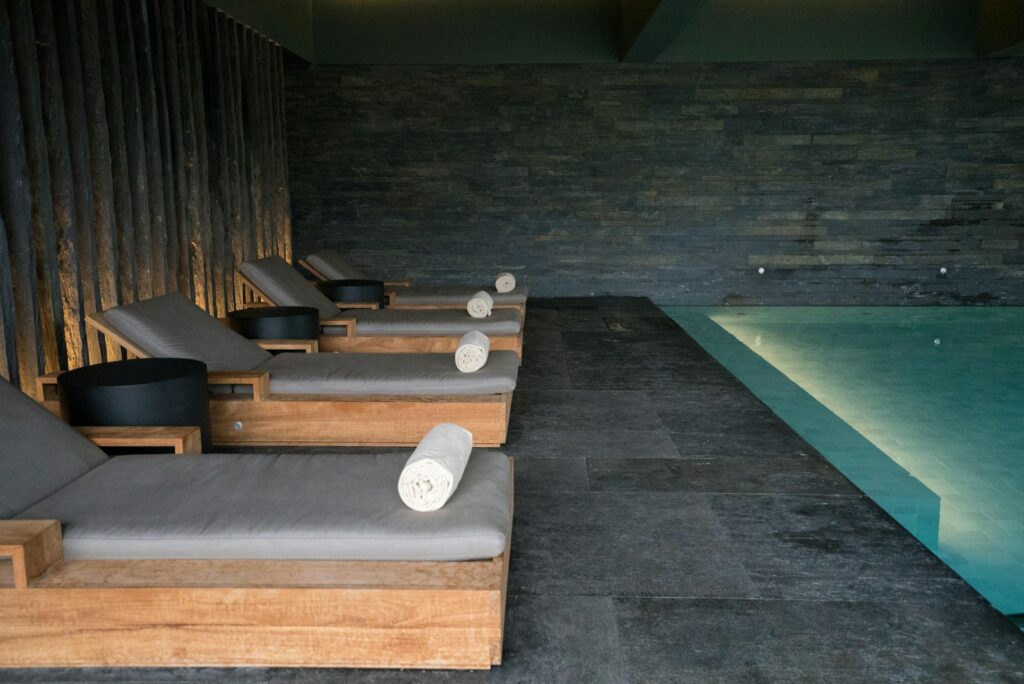
Questions about cold plunge temperature and duration have no single answer, which is why a venue’s guidance matters. The Cleveland Clinic suggests that beginners start at around 10-15°C (50-59°F), stay in for one to two minutes, and avoid going below 4°C (40°F) or beyond five minutes in total.
Cold water also carries a real physical risk. The British Heart Foundation explains that sudden immersion can trigger a cold shock response, with a faster heart rate, higher blood pressure, and difficulty breathing, and that cold water may raise the risk of abnormal heart rhythms. A controlled spa plunge is a different setting from a lake or the sea, but the body’s first reaction to cold is similar.
For that reason, a good venue will explain the session before it begins, let you enter gradually, and never leave you alone in the water. Those who find the cold distressing should simply get out.
The Cleveland Clinic advises speaking to a healthcare provider before trying a cold plunge if you have heart disease, high blood pressure, diabetes, peripheral neuropathy, or poor circulation, or if you are pregnant. The British Heart Foundation gives similar advice to anyone with a heart condition considering cold water.
An ice bath is also not a substitute for assessment. Persistent fatigue, poor sleep, or low mood deserve a conversation with a physician, and a plunge may delay that conversation if it feels like a fix. Where recovery fits a wider plan, our guide to biohacking covers what is worth testing and what is not.
Share your travel plans, and we will fit recovery sessions around them
We arrange recovery sessions at vetted hotels, spas, and wellness retreats, scheduled around a diary that rarely has a free hour. For travellers, we coordinate bookings across cities and countries so that recovery follows the itinerary rather than interrupting it. Where you want a physician’s view before you begin, we arrange that appointment first. We do not sell equipment or make claims about outcomes. This sits within our Longevity service, and for a wider choice of venues see our guide to luxury wellness retreats.
Reviews report effects on stress, sleep quality, and quality of life, although the stress effect was measured at about 12 hours after immersion and the evidence base is small and varied. Research has not established that cold plunge therapy treats or prevents any condition
In everyday use the terms overlap. An ice bath usually means cold water with ice added, while a cold plunge is a tub or pool held at a set cold temperature, often in a spa
The Cleveland Clinic suggests beginners start around 10-15°C and avoid going below 4°C. A venue or physician may advise differently for you
Anyone with heart disease, high blood pressure, diabetes, poor circulation, or nerve problems in the hands or feet, and anyone who is pregnant, should speak to a physician first
No. We arrange access to vetted venues and coordinate the visit. Perfect.Live does not provide medical services, and a physician decides what is appropriate