
Restaurants Worth Flying For: Unique Dining Experiences in Five Cities
Six starred tables in five cities, and how to plan the flight around the reservation
Read MoreeastA collection is a record of decisions over time — and the earliest ones, made carefully, shape everything that follows
Art collecting is among the oldest private pursuits of the wealthy. Its roots lie in the ancient world, its modern form is a Renaissance development, and collectors’ tastes have long helped to determine what art was made. Some private collections later became museums, such as the Frick Collection in New York and Sir John Soane’s Museum in London.
For a family of means, a collection is also a body of work to be managed: chosen, documented, insured, stored and, eventually, passed on. This page is the concierge’s view of how that works. For the clients involved, see what an ultra-high-net-worth individual is and our 2026 UHNWI trends.
How to start an art collection is mostly a question of looking before buying. The collectors whose holdings age best began by spending time with work, not acquiring it.
Visit galleries and museums, attend fairs, read, and talk to people who know. Notice which works you return to in your mind, and why. A direction usually appears: a period, a medium, a handful of artists, or a theme. A collection with a point of view is more coherent, and easier to add to, than one assembled by availability.
The first acquisitions should be modest in ambition and generous in time. Buy one work you could live with for years, and learn from the process of buying it.
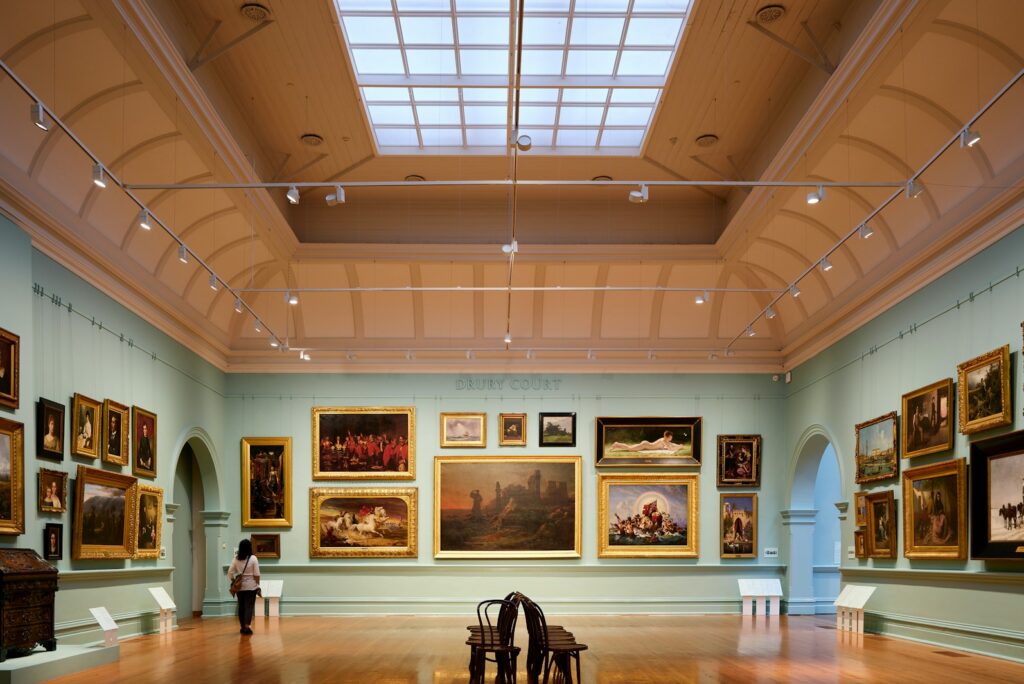
The art market has two parts. The primary market introduces new work, mostly contemporary, through galleries and dealers. The secondary market handles work that has been sold before, through auction houses, dealers, and private sales. Galleries act as gatekeepers for access to artists, and private sales, which can be roughly half of all transactions, are not disclosed. Prices and terms are therefore not always visible.
That has a practical implication. Buyers often cannot judge value on their own, and relationships count. A gallery decides which collectors are offered a work in demand, and a collector’s reputation builds over time.
Art advisory is the professional guidance of collectors on what to buy, from whom, at what moment, and with what documentation. A good adviser acts for the buyer, researches the work, checks its history and condition, and negotiates the terms. Advisers differ in how they are paid, so ask at the outset and in writing.
An adviser is most valuable at two points: at the start, to build a clear direction, and at the point of an important acquisition, where due diligence matters most. A concierge does not replace an adviser. We arrange the access, the introductions, and the logistics that surround the advice.
Art investment is a subject on which we offer no financial advice, and it is worth treating with caution. The market is opaque, work can be hard to sell, and its value depends on taste and timing. A sound principle is to buy what you want to live with, and treat any financial outcome as a secondary matter.
Provenance, meaning the chronology of ownership of a work, is the foundation of confidence. It supports authentication and affects value, and gaps can raise questions about rightful ownership. This is particularly important for work that changed hands in Europe between 1933 and 1945. Checking a work against the Art Loss Register, a database of stolen and lost art established in London in 1991, is a standard step in due diligence.
Tell us the evening you have in mind, and we will secure the table
We arrange access to galleries, private viewings, and fairs, including Art Basel, where a great deal of the activity happens in private dinners and previews. We introduce you to advisers and specialists suited to your collection, and we handle the logistics of shipping, framing, and installation. Our personal shopping service can source works and objects on request, and our business concierge team supports family offices managing collections across several homes.
Begin by looking widely at galleries, museums, and fairs, then find a direction that holds your interest. Make a first purchase that you could live with for years, and learn from the process
An art adviser guides a collector on what to buy, researches provenance and condition, and negotiates terms. Ask how the adviser is paid before engaging them
We do not give financial advice. The art market is opaque and works can be hard to sell, so the sound approach is to buy what you want to live with
It documents the ownership history of a work, supports authentication and affects value. Gaps in the record can raise questions about rightful ownership
Yes. We arrange private viewings, fair access, and introductions, and coordinate shipping and installation. We do not act as a dealer or adviser