Medical Spa: How to Judge One Before Any Treatment
Same treatment, very different oversight. How to check licences, supervision, and aftercare before anyone touches your skin
Read MoreeastSilent or guided, a weekend or a week: what to look for in a meditation retreat, and what to ask before you go
A meditation retreat is a stay devoted to quiet practice, usually led by a teacher and shaped around a daily rhythm of sitting, walking, rest, and simple meals. Beyond that, the label covers a great deal of ground. Some programmes are strictly silent, others are conversational, and some sit closer to a luxury retreat with spa treatments and private rooms.
This guide explains how the formats differ and how to judge a programme before committing to it. Perfect.Live does not teach meditation or provide therapeutic services. We arrange access to vetted retreats and coordinate the travel, the stay, and the schedule around the retreat.
The first choice is the degree of silence. A silent programme asks guests to refrain from conversation for several days, which suits people who already practise and want to go deeper. A guided programme keeps teaching, group discussion, and gentle structure, and it is usually the gentler starting point for a first stay.
Length matters just as much. A long weekend gives a taste of the routine without asking much of a calendar, while a week or more allows the practice to settle. For first-timers, shorter usually makes sense, because it is easier to book a longer stay next time than to leave early.
Meditation is not a single technique, so it is worth asking which approach a programme actually teaches. A mindfulness retreat, for instance, centres on attention to the present moment. The NHS describes mindfulness as paying attention to what is going on inside and outside ourselves, moment by moment.
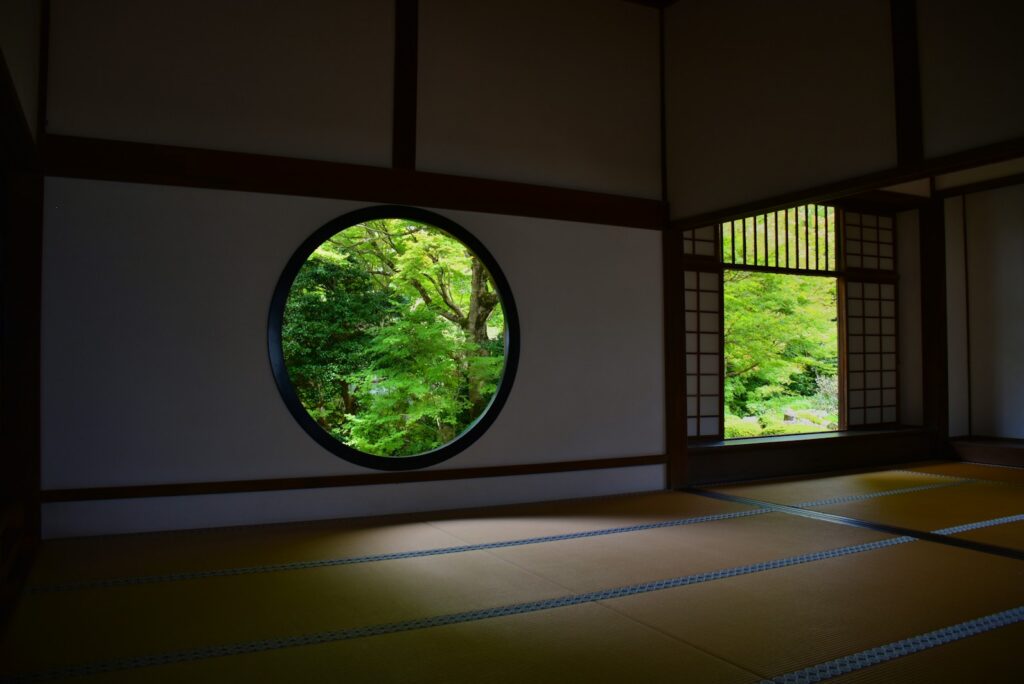
Words such as “spiritual retreat” and “healing retreat” are used loosely. A spiritual retreat may follow a specific tradition, with teachings, ceremony, or pilgrimage, and it helps to know in advance how religious the programme is. A nature retreat places the practice in forests, on the coast, or in the mountains, with walking and time outdoors as part of the day. VisitScotland, for example, groups its wellness retreats into mind, body, and soul experiences, from mindfulness to forest bathing.
“Healing” deserves particular care. It is a marketing word, not a medical one, and a retreat is not a substitute for medical care. If you are managing a health condition, speak to a physician first. For broader context on the market, see our guides to luxury wellness retreats and luxury retreats.
Meditation is generally considered to carry few risks, yet it is not right for everyone. The US National Center for Complementary and Integrative Health reports that about 8 percent of participants in a 2020 review experienced a negative effect, with anxiety and depression the most common. The NHS adds that mindfulness may be unhelpful for some people, and may worsen symptoms in some cases.
That is why support matters more than scenery. The NCCIH advises asking about the training and experience of the instructor. Other sensible questions follow. Who leads each session, and how were they trained? Is there someone to speak to if a session becomes distressing? Can guests step back from the programme without pressure? A good retreat answers these plainly and states clearly who it is not suited to.
Tell us how much quiet you need and when, and we will arrange it
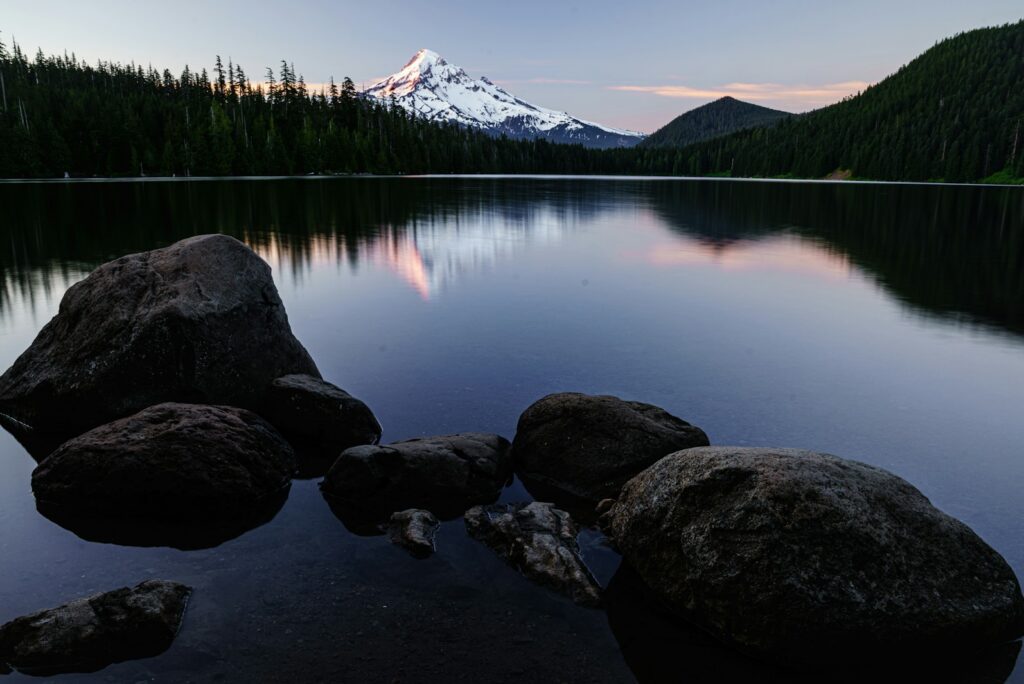
We shortlist vetted retreats that match the format you want, whether silent, guided, or nature-led, and we put your questions about teachers and support to the venue before you commit. We find dates that fit your commitments, arrange private transfers and the surrounding travel, and handle the practical details discreetly so that the time away is genuinely quiet. This sits within our Longevity service, and for readers whose fatigue is work-related, our guide to burnout symptoms and recovery is a useful companion.
It is a stay built around meditation practice, usually with a teacher, a daily schedule, and simple food. Formats range from strictly silent to guided and conversational
Not necessarily. Many programmes welcome beginners, and a guided format of a few days is a common first step. Ask the venue directly whether the programme is suited to newcomers
Not necessarily. Meditation is usually considered to have few risks, but some people have a negative experience, and the NCCIH advises against using it to replace conventional care. If you have a health concern, speak to a physician first
No. A retreat is not a substitute for care from a qualified professional, and Perfect.Live does not provide medical or therapeutic services
A long weekend is a sensible start for most people, and a week can follow once you know how you respond. Your own calendar and comfort should decide