
Lifestyle Management for Executives: More Time for the Whole Family
Repairs, bookings, and family appointments handed to one team, returning hours to executives and their spouses
Read MoreeastIn Tokyo the best table is rarely the most famous one — it is the one with eight seats, a chef you have been introduced to, and a date that was held months ago
Ask a concierge for the best restaurants in Tokyo and the first answer is a question: which format. The city is built around small rooms with a single chef, a fixed menu, and very few seats, and the quality of an evening depends far more on the match between the room and the occasion than on a ranking.
That is also why Tokyo restaurants are harder to book than their reputation suggests. A counter with eight seats cannot absorb a late change, and the restaurants that matter most are organised around guests they already know.
Tokyo restaurants divide more cleanly by format than by cuisine, and the format decides everything that follows.
Sushi counters are usually run on an omakase basis: the chef chooses, serves one piece at a time, and adjusts to the guests in front of him. A seat is a fixed time, with no menu to browse and no room for a late arrival.
Kaiseki is the other pillar. Kaiseki is a multi-course meal built around the season, with the sequence, the tableware, and the setting all part of the experience. It suits a longer, quieter evening and a small group.
Beyond these sit the specialists — tempura, yakitori, teppanyaki, tonkatsu — each with its own counter etiquette and its own booking logic.
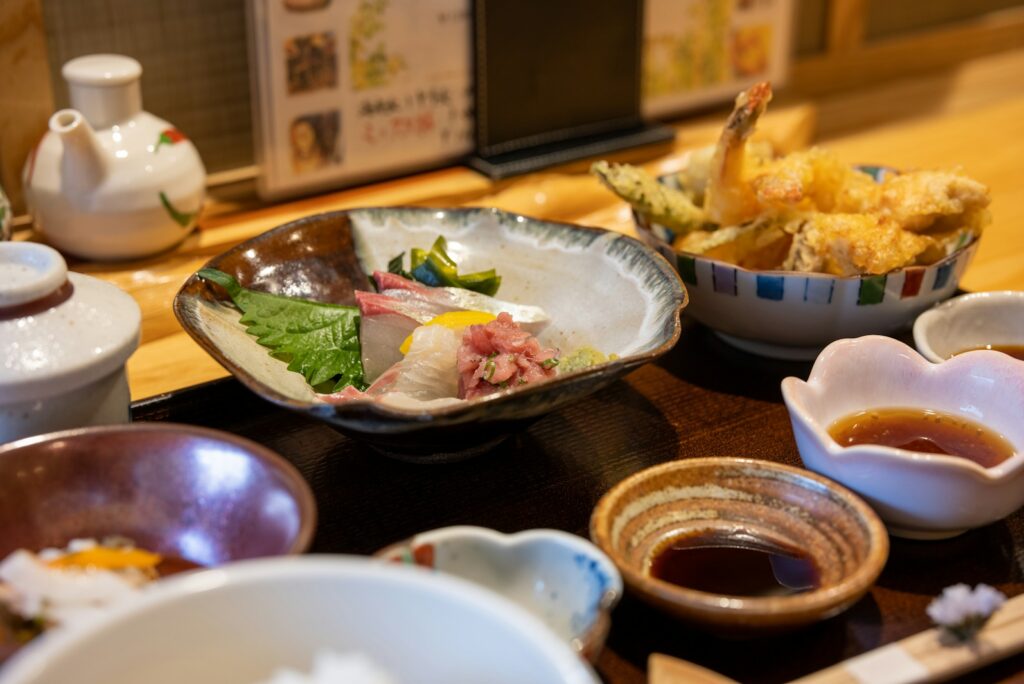
Searches for top restaurants in Tokyo return lists that rarely agree, and for good reason. The city is too large and too specialised for a single order. A concierge reads the question differently: what is the occasion, who is at the table, and how much of the evening is meant to be remembered.
The starred end of the city is a separate subject and has its own guide. See Michelin star restaurants in Tokyo for how the guide is structured and how the starred rooms are approached. This page is about everything around it.
Some of the most sought-after counters in Japan follow the custom of ichigen-san okotowari, which means they decline first-time guests who arrive without an introduction. The custom is most closely associated with Kyoto, and a few small Tokyo counters keep to it as well. In practice a new guest cannot simply reserve, and the table opens through a regular or a trusted introducer.
This is not snobbery so much as trust, and it is the clearest case for working through a concierge. We do not promise a particular door will open. We approach it properly and tell you early if it will not.
Seats at the leading counters are held for a single guest group at a precise time. Arriving late affects the chef’s sequence and everyone else at the counter, so arrival is planned to the minute, and the route from the hotel is tested in advance.
Etiquette is part of access. Fragrance, photography, and dress are all judged more closely at a counter than in a dining room, and a briefing before the evening protects both you and the introduction.
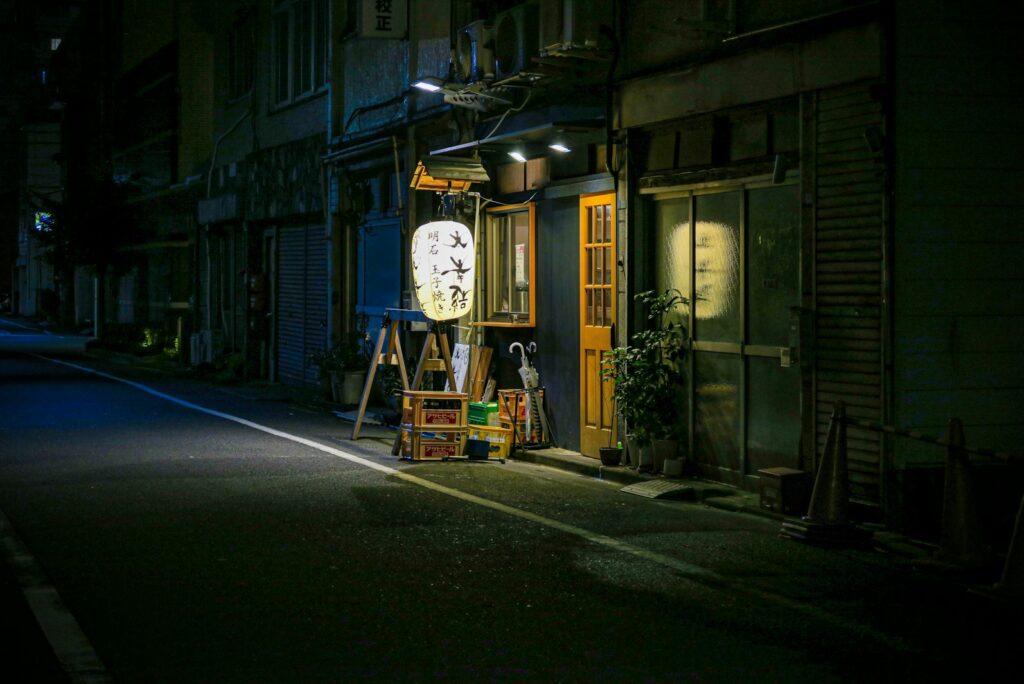
Tell us the evening and the format, and we will arrange the table
We hold counter seats and private rooms across the formats above, approach introduction-only restaurants through the proper channels, and keep a second option in reserve until the first is confirmed. We also brief the restaurant on dietary needs, arrange transport and interpretation where useful, and plan the evening around the table. The same method runs through our Fine Dining & Nightlife service, and we apply it to business dinners when Tokyo is part of a longer itinerary.
It depends on the evening: a sushi counter for a focused, chef-led meal, kaiseki for a slower seasonal dinner. We shortlist after hearing the occasion and the party
For the leading counters, plan well ahead of the trip, since seats are few and some rooms take bookings only through a regular or an introducer
It means “I leave it up to you”: the chef chooses the menu and serves it course by course, usually at a counter
Many rooms are open to visitors, while some decline first-time guests and need an introduction. We tell you early which is which
No. We arrange access on your behalf with the restaurants, rather than reselling seats