Luxury Corporate Gifts: Getting Year-End Client Gifting Right
A client gift that respects their policy, arrives before the office closes, and still feels chosen for one person
Read MoreeastOne composer, one building, and a waiting list that has become part of the institution
The Bayreuther Festspiele is held each summer in Bayreuth in Bavaria, and it performs the stage works of Richard Wagner and nothing else. The first festival was held in 1876.
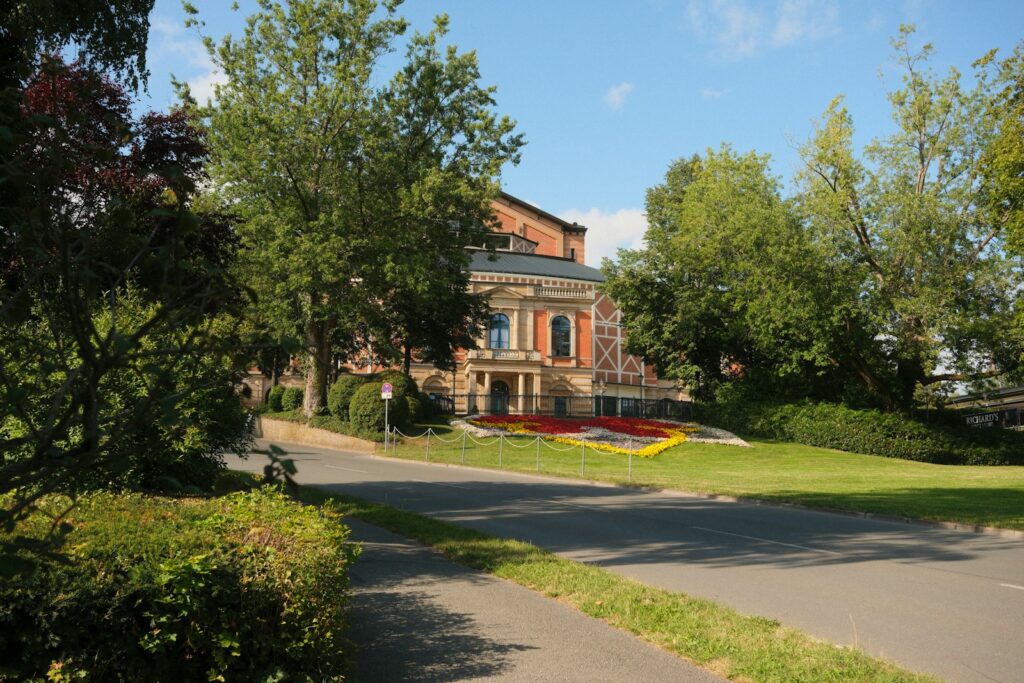
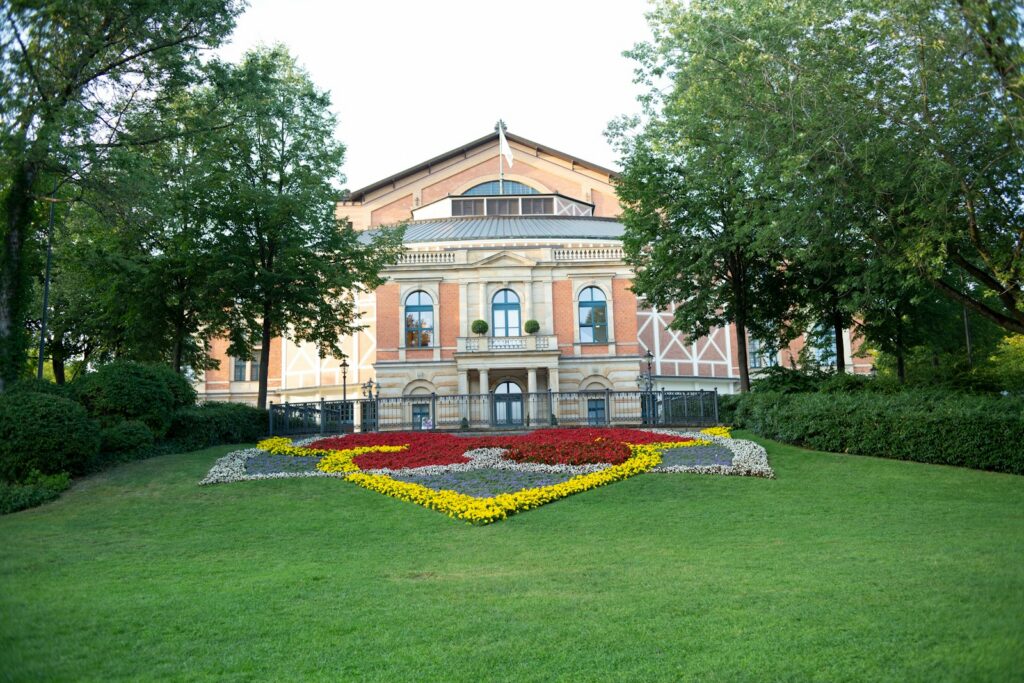
Wagner conceived it himself, to stage works he believed no existing opera house could serve — in particular the Ring cycle and Parsifal. He supervised the design and construction of the Festspielhaus personally, and the building contains a series of innovations made for his music: a covered orchestra pit sunk beneath the stage, a fan-shaped auditorium with no boxes and no central aisle, and sightlines that give every seat the same view.
The acoustic is the thing people travel for and the thing that cannot be described adequately. Because the orchestra is hidden and the sound reaches the audience indirectly, the balance between singers and orchestra is different from any other house, and Wagner’s orchestration works as he intended rather than as a competition.
The seats themselves are wooden, upright, and unforgiving; there is no air conditioning; and Götterdämmerung runs past five hours. Bayreuth regulars treat this as part of the proposition rather than a complaint, which tells you what kind of audience it is.
Bayreuth’s waiting list is the most famous in classical music. For decades the ordinary route was to apply annually and be refused for years before a first allocation, and the wait was measured in something close to a decade. It has become shorter and more porous — online allocations, returns, and packages through affiliated societies now exist — but the fundamental position holds: demand exceeds a house of fewer than two thousand seats for a season of around thirty performances.
What that means practically is that Bayreuth is planned years out or it is arranged through routes that are not the public queue. Anyone promising seats for next August on request should be asked which route, because there are only a few and they are known.
Bayreuth is a Franconian town of seventy thousand with a margravial opera house of its own — an eighteenth-century baroque theatre on the UNESCO list, and the building that drew Wagner to the town in the first place before he decided it would not do. It is worth an afternoon.
Otherwise the region is Franconia: Bamberg an hour away, the Franconian Switzerland between them, and some of the best and least known beer and wine country in Germany. Munich is two and a half hours and Prague about four.
Tell us which cycle you want and we will find the route into the house
The festival runs around thirty performances across roughly five weeks, drawn from a repertoire of ten operas. A Ring cycle is staged in most years and rotates its production every five or six seasons, which means a given staging is seen by a specific set of audiences and then retired — an unusual rhythm that gives each production a defined life.
The other tradition worth knowing is the brass fanfare. Players from the orchestra appear on the Festspielhaus balcony and play motifs from the act about to begin, three times before each act. The audience gathers on the steps outside for it, which is why the photographs of Bayreuth are always of people standing on a hill rather than sitting in a theatre.
There is no interval bar in any conventional sense either. The breaks between acts are an hour, everyone goes outside, and the restaurant terraces around the theatre are booked at the same time as the seats.
For anyone building a summer around Wagner and Mozart, Bayreuth and Salzburg overlap in August and sit about four hours apart by road.
Each summer, running from late July through August in Bayreuth, Bavaria
Only the stage works of Richard Wagner. That has been the rule since the first festival in 1876
Wagner designed it for his own music — a sunken, covered orchestra pit, a fan-shaped auditorium with no boxes, and equal sightlines throughout
Historically close to a decade through the public queue. Other routes now exist, but the house has fewer than two thousand seats and demand has never fallen
Long. Götterdämmerung runs past five hours, and a full Ring cycle is four performances across a week
The margravial opera house, an eighteenth-century baroque theatre on the UNESCO list, and Wahnfried, Wagner’s own house, now a museum
The Bayreuth Festival 2027 is expected to keep its usual late-July through August run, with the full programme announced the previous autumn.
Bayreuth Festspielhaus is the theatre’s proper name, the purpose-built house Wagner opened in 1876 specifically for his own operas.
Most Bayreuth Festival tickets are still allocated through the festival’s own online application system, with successful applicants notified the following spring.
Rarely, the Bayreuth Festival Wagner repertoire has stayed within his ten mature stage works since 1876, rotated rather than expanded.